
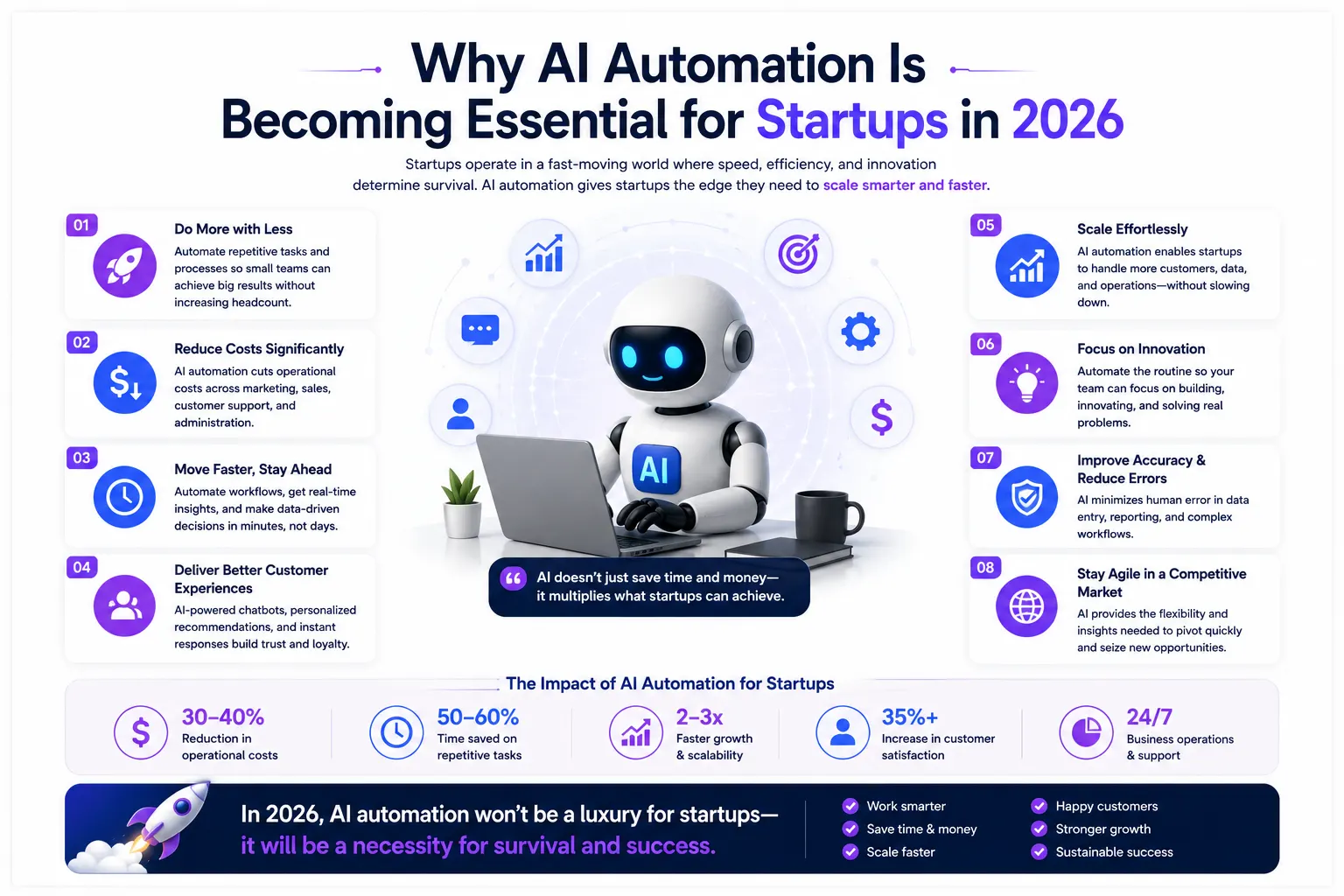
Starting a business has never been easy, but in 2026 the pressure on startups feels even higher. Competition is growing fast, customer expectations are changing constantly, and digital markets are becoming more crowded every month. At the same time, most startups still operate with limited budgets, smaller teams, and constant pressure to grow quickly.
This is one of the biggest reasons AI automation is becoming such an important part of modern startups.
Earlier, automation tools were mostly used by larger companies with dedicated tech teams. But now even small startups are using AI systems to manage customer communication, marketing, scheduling, sales, analytics, and internal workflows.
The shift is happening because startups are realizing they cannot rely entirely on manual operations anymore. Speed, efficiency, and scalability have become critical for survival.
Bureau Verification Tools
Why Are Startups Using AI Automation in 2026?
Startups are using AI automation in 2026 to reduce operational costs, automate repetitive tasks, improve productivity, manage customer support, generate leads, and scale businesses faster without building large teams.
Why Startups Are Adopting AI Faster Than Large Companies
Interestingly, startups are often adopting AI tools faster than traditional businesses.
Large companies usually move slowly because of internal processes, approvals, and legacy systems. Startups, on the other hand, are more flexible and willing to experiment with new technology.
Many founders now see AI automation as a practical way to compete with larger businesses without needing massive resources.
Instead of hiring large departments immediately, startups are using AI tools to handle repetitive operations while keeping teams lean and focused.
AI Automation Helps Startups Reduce Costs
One of the biggest challenges for startups is managing operational expenses.
Hiring separate employees for customer support, content creation, scheduling, reporting, and lead management can become expensive very quickly.
AI automation is helping startups reduce those costs significantly.
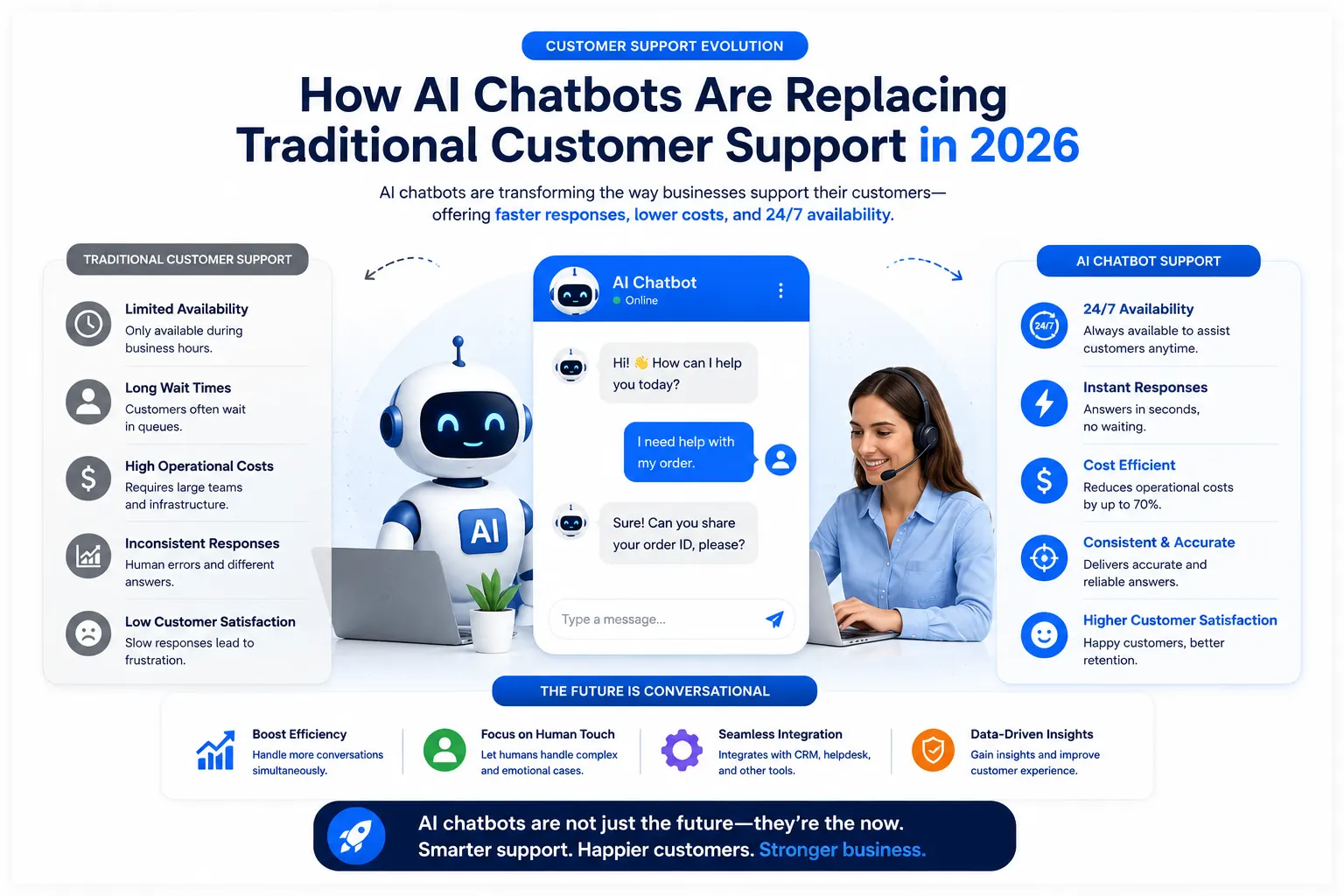
Customer Support Automation
Many startups now use AI chatbots to answer common customer questions automatically.
These systems can handle:
- Product inquiries
- Pricing questions
- Appointment bookings
- Basic troubleshooting
- Order updates
This allows startups to provide faster support without building large customer service teams.
Marketing Automation
Digital marketing consumes a huge amount of time for early-stage businesses.
Startups are using AI-powered tools for:
- Social media scheduling
- Email campaigns
- SEO planning
- Ad optimization
- Content assistance
- Audience targeting
This helps founders focus more on business growth rather than spending hours managing repetitive marketing tasks.
AI Helps Small Teams Work Like Bigger Companies
One major reason startups are investing in AI is productivity.
A small team using automation effectively can often handle workloads that previously required much larger departments.
Workflow Automation
Startups are automating internal tasks such as:
- Lead tracking
- CRM updates
- Reporting systems
- Task management
- Invoice generation
- Appointment reminders
This improves organization while reducing manual workload.
Faster Decision-Making
AI analytics tools help startups analyze customer behavior, campaign performance, and sales trends much faster.
Instead of guessing what works, founders can make decisions based on real-time business data.
AI-Powered Sales Systems Are Growing Quickly
Sales automation is becoming one of the most popular AI use cases among startups.
Lead Qualification
AI systems can automatically identify which leads are more likely to convert based on customer behavior and interaction history.
This saves time and improves sales efficiency.
Automated Follow-Ups
Many startups lose customers simply because follow-ups happen too late.
AI systems now automate:
- Email reminders
- Lead nurturing
- Appointment confirmations
- Customer re-engagement campaigns
This helps businesses maintain communication consistently.
Startups Are Using AI for Content Creation
Content marketing has become important for startup growth, especially for SEO and social media visibility.
Many founders are now using AI-assisted tools for:
- Blog topic research
- Content outlines
- Email drafts
- Product descriptions
- Social media ideas
However, startups are also learning that fully AI-written content often lacks originality.
The brands building stronger authority are usually editing AI-assisted content with real insights, opinions, and experiences.
The Rise of AI Agents for Startups
One of the newer trends startups are experimenting with is AI agents.
Unlike traditional automation tools, AI agents can manage more complex workflows independently.
Some startups are testing AI agents for:
- Customer communication
- Market research
- Internal reporting
- Sales support
- Data collection
- Workflow coordination
While still evolving, many experts believe AI agents could become a major startup productivity tool over the next few years.
Challenges Startups Still Need to Understand
Even though AI automation creates opportunities, startups are also facing some common mistakes.
Overdependence on AI
Some businesses try to automate everything too early.
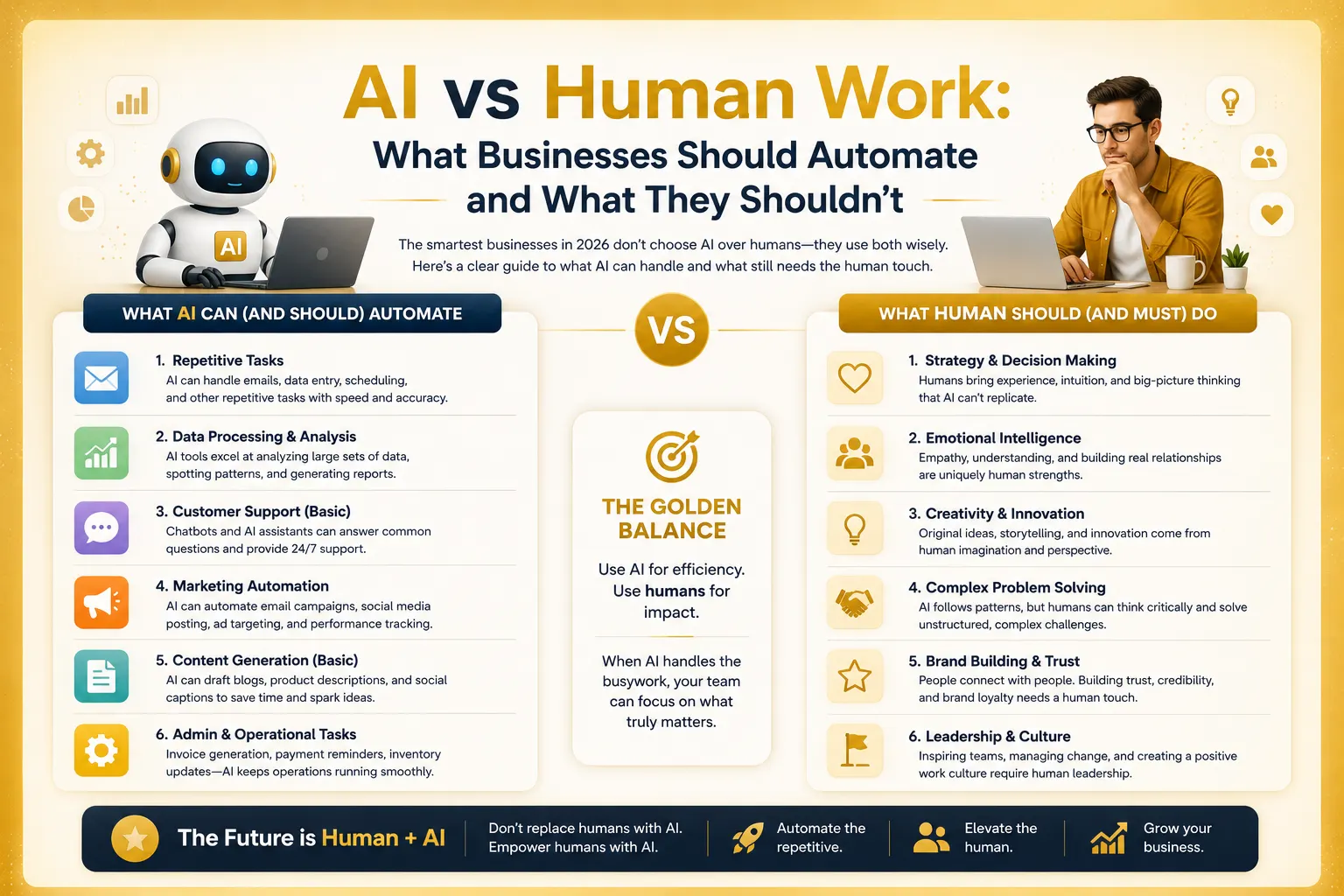
Customers still value human interaction, especially when it comes to trust, support, and relationship-building.
Low-Quality AI Content
Many startups are publishing large amounts of generic content without adding originality or real value.
This often creates weak engagement and poor long-term SEO performance.
Lack of Clear Strategy
Simply using AI tools does not automatically create business growth.
The startups seeing better results are usually the ones using automation strategically rather than randomly adopting every trending tool.
The Future of AI for Startups
The role of AI in startup growth is expected to expand significantly over the next few years.
Businesses are moving toward:
- AI-driven operations
- Predictive analytics
- Voice AI systems
- Hyper-personalized marketing
- Intelligent workflow automation
- AI sales assistants
At the same time, startups that maintain originality, strong branding, and human communication are likely to stand out more in increasingly automated markets.
Final Thoughts
AI automation is quickly becoming one of the biggest advantages for startups in 2026.
Small businesses are using automation to reduce costs, improve productivity, automate repetitive tasks, and compete more effectively in crowded industries.
However, the startups growing sustainably are not relying entirely on automation. They are combining AI efficiency with human creativity, customer understanding, and smart business strategy.
That combination is what is helping modern startups scale faster while still building real customer trust.
FAQ
Why are startups using AI automation?
Startups use AI automation to reduce costs, improve productivity, automate repetitive work, and scale operations faster.
What tasks can startups automate with AI?
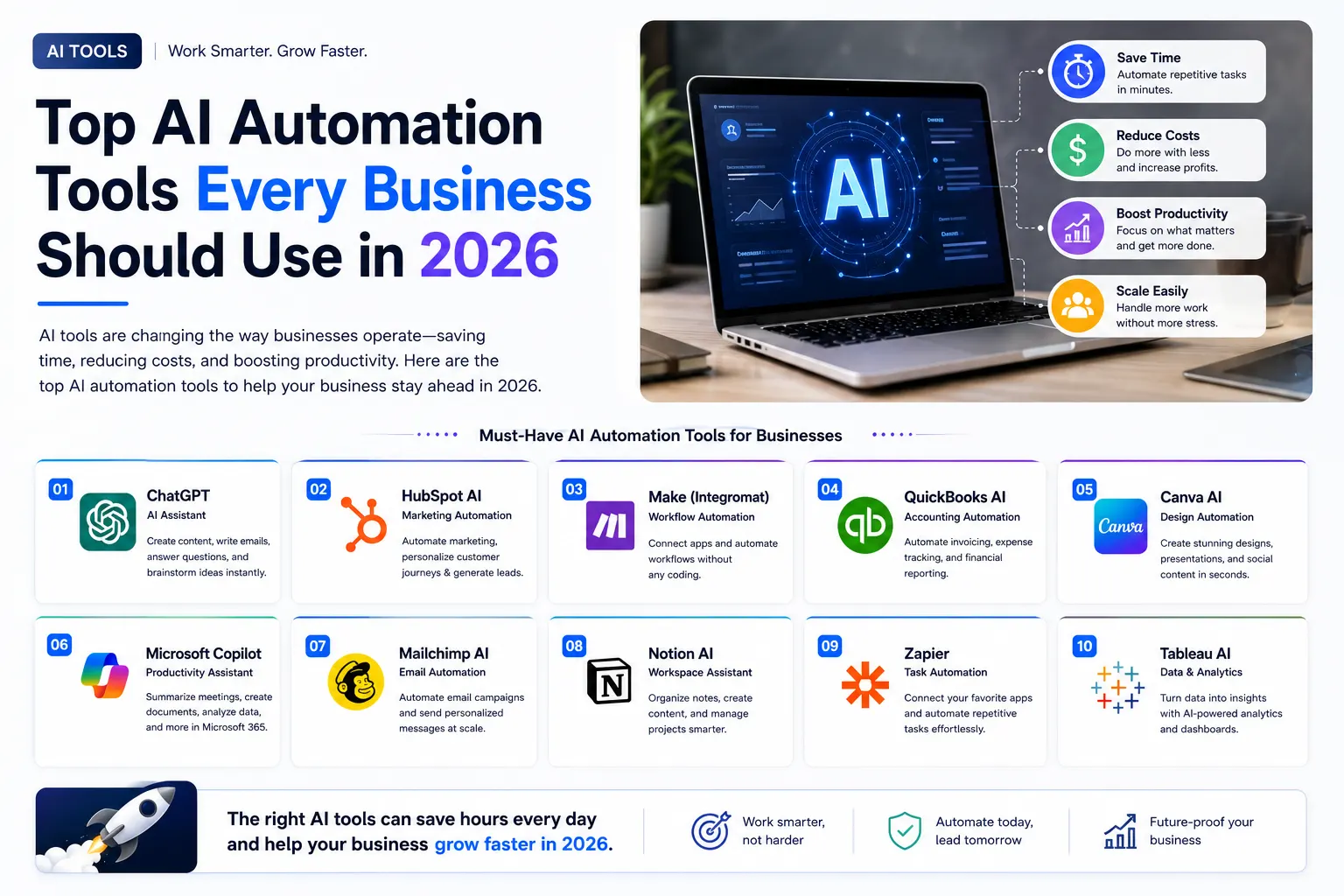
Customer support, marketing, scheduling, reporting, lead management, and workflow operations are commonly automated using AI tools.
Is AI automation affordable for startups?
Many AI tools now offer affordable subscription models suitable for startups and small businesses.
Can AI help startups grow faster?
Yes, AI automation can improve efficiency, save time, and help startups manage larger workloads with smaller teams.
Are startups replacing employees with AI?
Most startups use AI to support teams and automate repetitive tasks rather than completely replacing human workers.

Discussion & Feedback
Join The Discourse
Comments are reviewed for technical quality.