
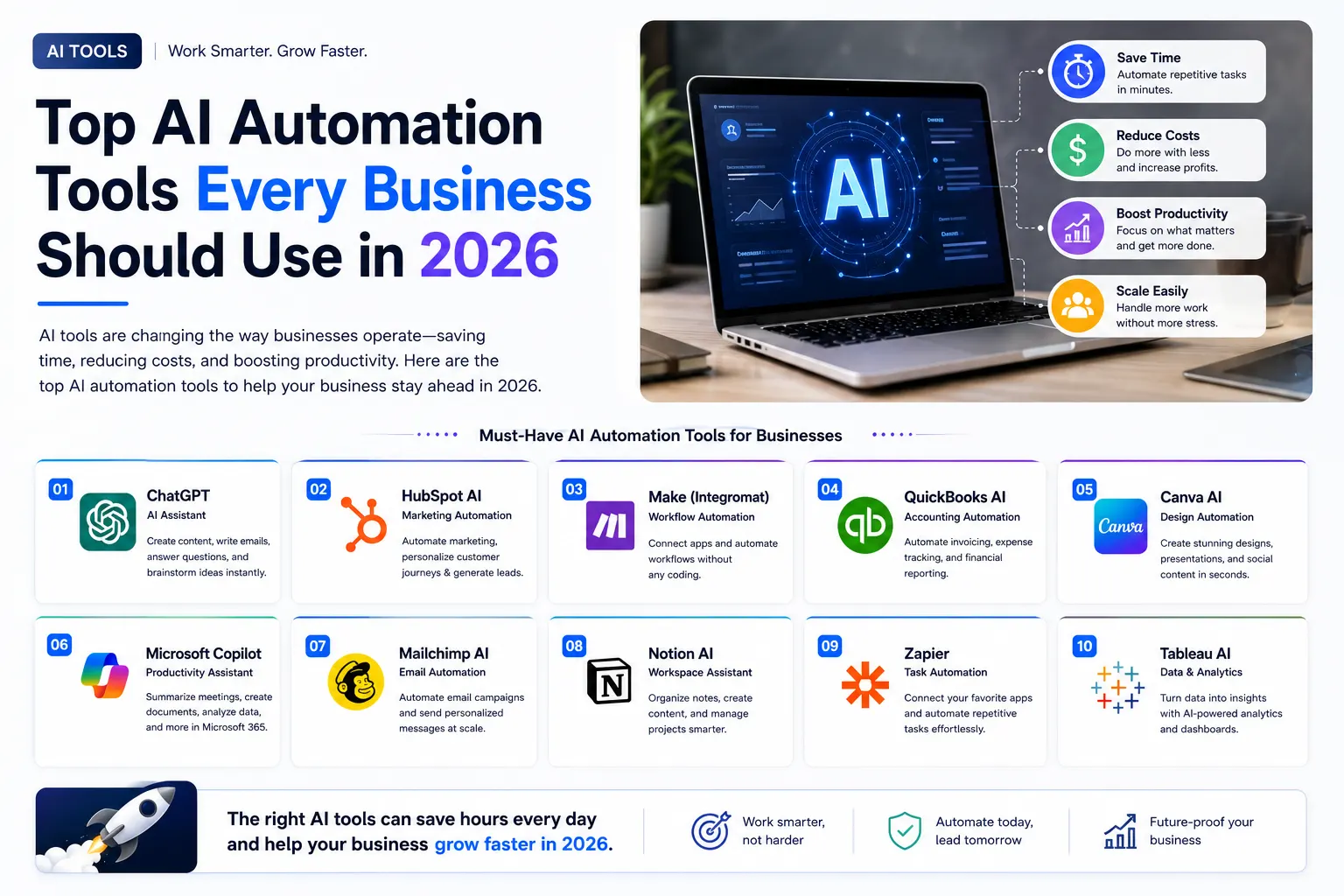
Artificial Intelligence is changing how businesses operate across the world. What started as an experimental technology has now become an essential part of modern business infrastructure. In 2026, companies are relying heavily on AI automation tools to improve productivity, reduce repetitive work, and create faster customer experiences.
From startups and eCommerce brands to large enterprises, businesses are integrating AI-powered platforms into their daily operations. The biggest shift happening right now is not just automation itself, but intelligent automation that can analyze data, predict outcomes, and optimize workflows automatically.
The demand for AI tools has grown rapidly because businesses want faster results without continuously increasing operational costs. As competition increases across digital markets, automation is helping companies stay efficient while scaling their services.
What Are AI Automation Tools?
AI automation tools are software platforms that use artificial intelligence to automate business tasks such as customer support, marketing, content creation, lead management, workflow operations, and data analysis. In 2026, businesses are using AI tools to improve efficiency, reduce manual work, and scale operations faster.
Bureau Verification Tools
Why Businesses Are Investing in AI Automation Tools
Businesses are no longer using AI only for experimentation. They are implementing automation because it directly impacts productivity, customer engagement, and revenue generation.
AI tools help companies:
- Save time on repetitive tasks
- Improve customer communication
- Automate marketing campaigns
- Generate business insights from data
- Manage workflows efficiently
- Increase conversion rates
- Reduce operational costs
Modern AI platforms are also becoming easier to use, which allows non-technical business owners to adopt automation without hiring large development teams.
AI Chatbots and Customer Support Tools
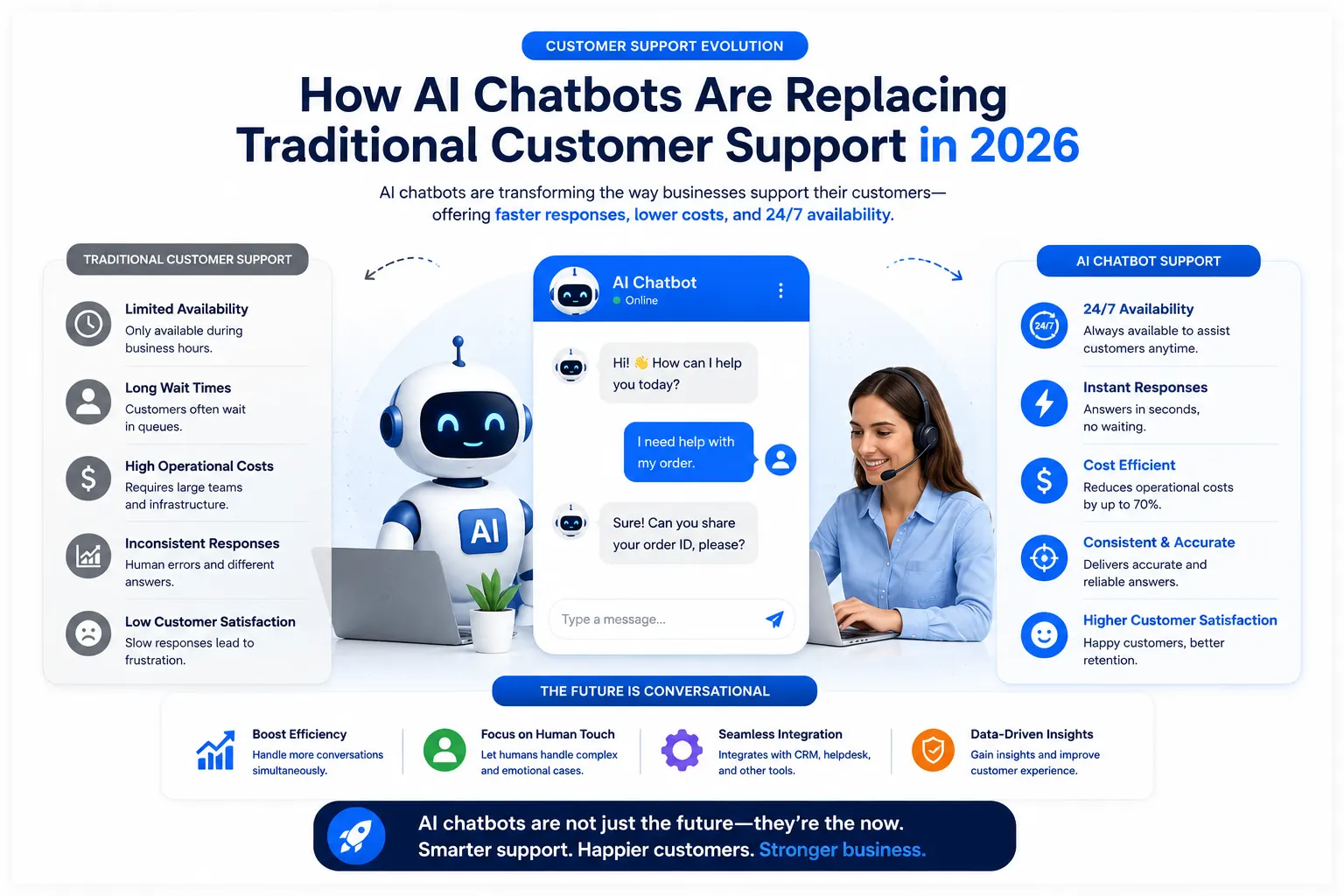
Customer support remains one of the biggest areas where AI automation is making an impact.
AI-Powered Website Chatbots
Businesses are using AI chatbots to answer customer questions instantly on websites and mobile applications. These bots can manage inquiries related to pricing, services, order tracking, appointments, and technical support.
WhatsApp AI Automation
Many businesses are integrating AI systems directly into WhatsApp for customer communication, automated replies, lead capture, and order management.
Voice AI Assistants
Voice-based AI support systems are also growing rapidly. Businesses are using AI voice agents to handle calls, appointment confirmations, and customer follow-ups automatically.
AI Marketing Automation Platforms
Marketing departments are increasingly relying on AI-powered automation tools to improve campaign performance and audience targeting.
AI Content Generation Tools
Businesses use AI-assisted platforms to create blog drafts, product descriptions, social media captions, ad copy, and SEO content ideas.
However, companies combining human editing with AI assistance are seeing stronger SEO performance compared to fully automated content publishing.
AI Email Marketing Systems
AI-driven email tools can personalize campaigns based on customer behavior, browsing history, and engagement data.
This improves:
- Open rates
- Click-through rates
- Customer retention
- Sales conversions
Social Media Automation
Businesses are automating social media scheduling, content recommendations, audience analysis, and engagement tracking using AI-powered platforms.
Workflow Automation Tools Are Becoming Essential
Businesses are increasingly automating internal workflows to improve operational efficiency.
Task Management Automation
AI systems can automatically assign tasks, send reminders, track deadlines, and monitor project progress.
CRM Automation
Modern CRM tools now include AI features that automatically organize leads, track customer interactions, and predict sales opportunities.
AI Data Analysis
Companies are using AI analytics platforms to identify trends, customer patterns, and business opportunities based on real-time data.
Industries Using AI Automation the Most
Several industries are leading the AI automation movement in 2026.
eCommerce Industry
Online stores are using AI for:
- Product recommendations
- Automated customer support
- Dynamic pricing
- Inventory forecasting
- Personalized shopping experiences
Healthcare Industry
Healthcare providers are implementing AI scheduling systems, virtual patient assistants, and automated communication tools.
Real Estate Sector
Real estate companies are automating lead qualification, inquiry management, and property recommendations using AI systems.
Financial Services
Financial businesses are using AI for fraud detection, reporting automation, and customer behavior analysis.
The Rise of AI Agents
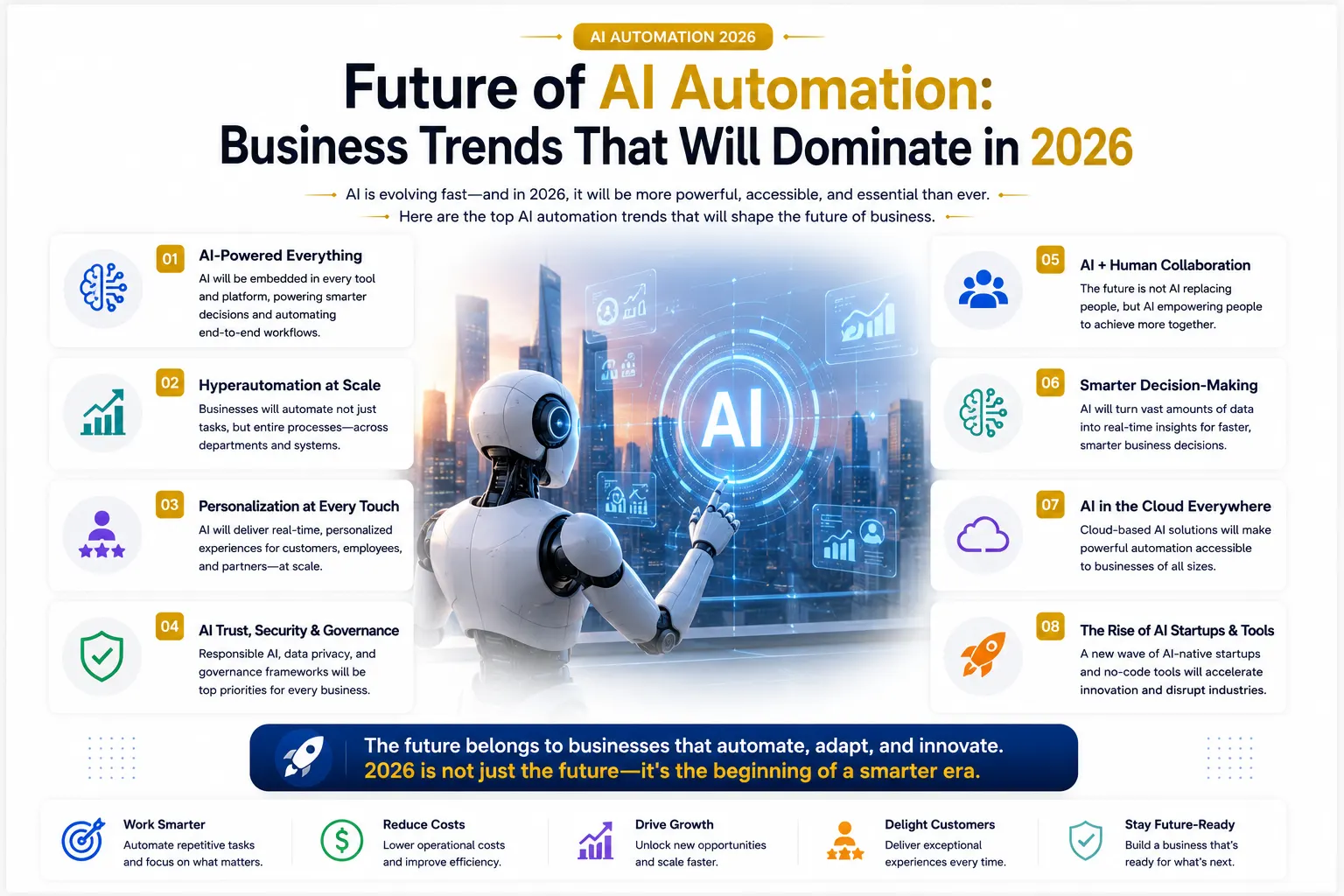
One of the biggest trends in 2026 is the rise of AI agents. Unlike traditional automation systems, AI agents can perform complex tasks independently with minimal human involvement.
Businesses are experimenting with AI agents for:
- Customer service management
- Research tasks
- Data collection
- Sales assistance
- Business reporting
- Workflow coordination
Industry experts believe AI agents may become a major part of business operations over the next few years.
Challenges Businesses Should Consider
Despite rapid growth, AI automation still comes with challenges.
Data Privacy Concerns
Businesses must ensure customer data is handled securely while using AI platforms.
Overdependence on Automation
Some companies are relying too heavily on content and automated systems without proper human oversight.
Quality Control
Poor automation strategies can create inaccurate responses, weak customer experiences, and low-quality content.
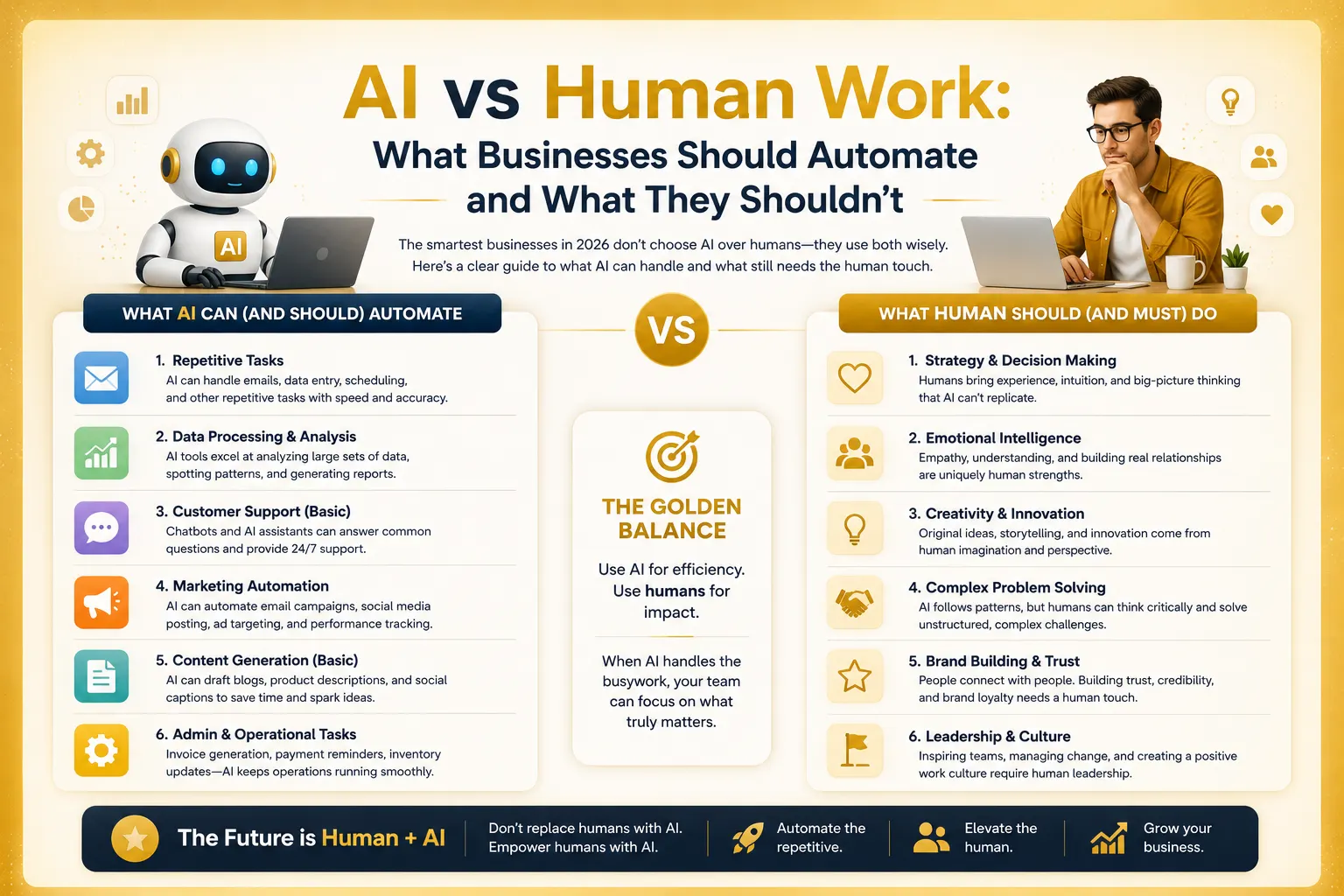
Businesses achieving the best results are combining AI efficiency with human creativity and strategic decision-making.
Final Thoughts
AI automation tools are no longer optional for businesses looking to stay competitive in 2026. Companies across industries are using intelligent systems to automate repetitive work, improve customer experiences, and scale operations faster than ever before.
The businesses gaining the biggest advantage are those using AI strategically rather than blindly automating everything. As technology continues evolving, AI automation is expected to become a core part of modern business growth strategies.
FAQ
Which AI automation tools are trending in 2026?
AI chatbots, workflow automation software, AI CRM systems, AI marketing tools, and AI agents are among the most trending business automation tools in 2026.
Are AI automation tools suitable for small businesses?
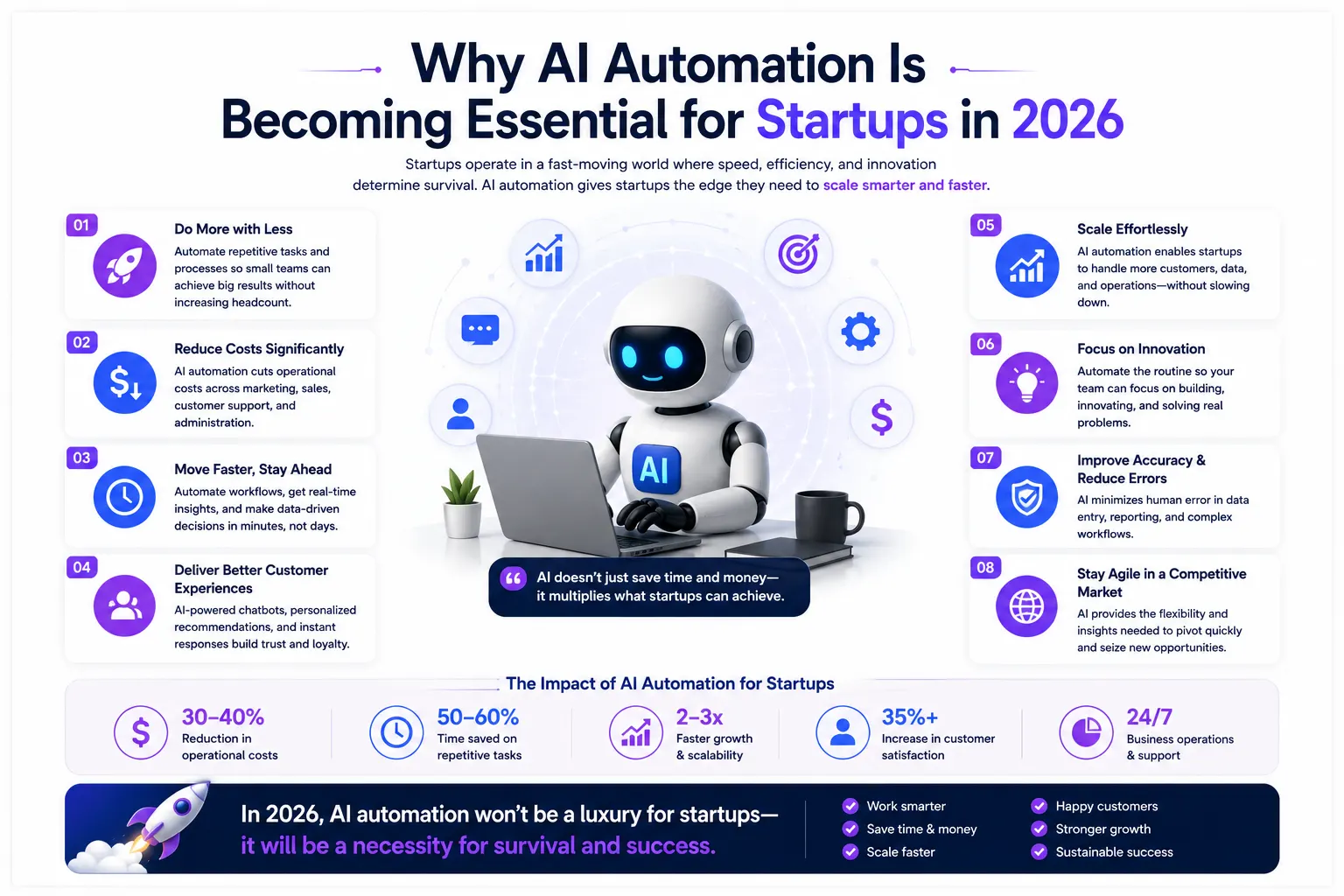
Yes, many AI tools now offer affordable pricing and easy integration for startups and small businesses.
Can AI automation improve customer support?
AI automation helps businesses provide faster responses, 24/7 customer assistance, and improved communication experiences.
What industries benefit the most from AI automation?
Industries like eCommerce, healthcare, finance, real estate, and digital marketing are seeing major benefits from AI automation.
Is AI automation replacing human jobs completely?
Most businesses use AI to automate repetitive work while human employees focus on creativity, strategy, and decision-making.
Discussion & Feedback
Join The Discourse
Comments are reviewed for technical quality.