
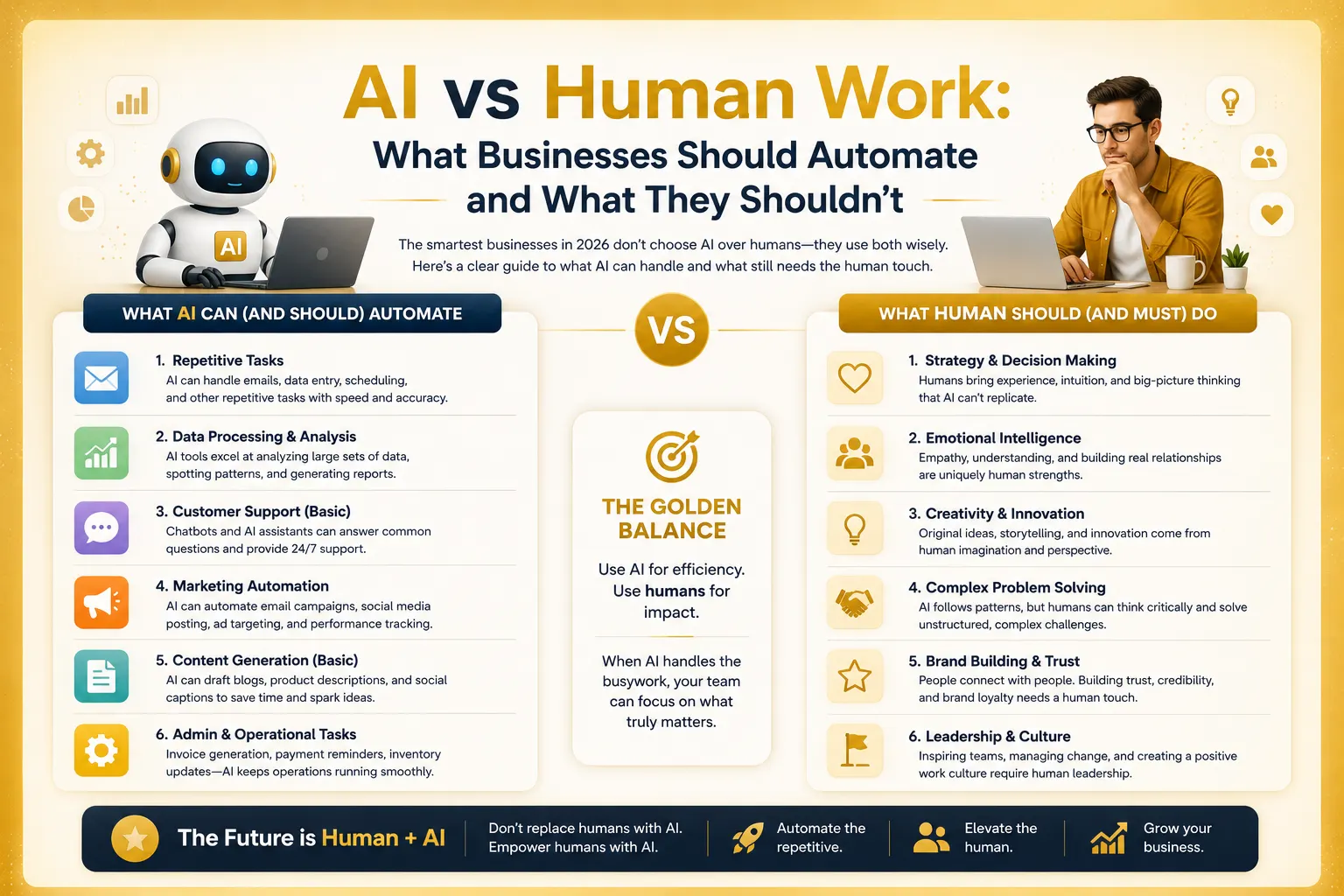
The conversation around Artificial Intelligence has changed a lot over the last two years. Earlier, businesses were asking whether AI would become useful. Now the question has become much bigger — what work should actually be handled by AI, and what should still stay in human hands?
In 2026, almost every business is experimenting with automation in some form. Some companies are using AI for customer support, others for content generation, sales systems, analytics, or internal workflow management. But one thing is becoming very clear from real-world business results: automation works best when businesses understand its limits.
A lot of companies rushed into AI expecting it to replace entire teams overnight. Some succeeded in improving efficiency, while others created poor customer experiences by over-automating everything. Businesses are now realizing that AI is a tool for support and scale, not a full replacement for human thinking.
What Tasks Should Businesses Automate With AI?
Businesses should automate repetitive and time-consuming tasks like customer support, appointment scheduling, email marketing, reporting, lead management, and data processing. However, creative strategy, relationship building, branding, leadership, and important business decisions still require human involvement in 2026.
Bureau Verification Tools
Why Businesses Are Automating So Fast
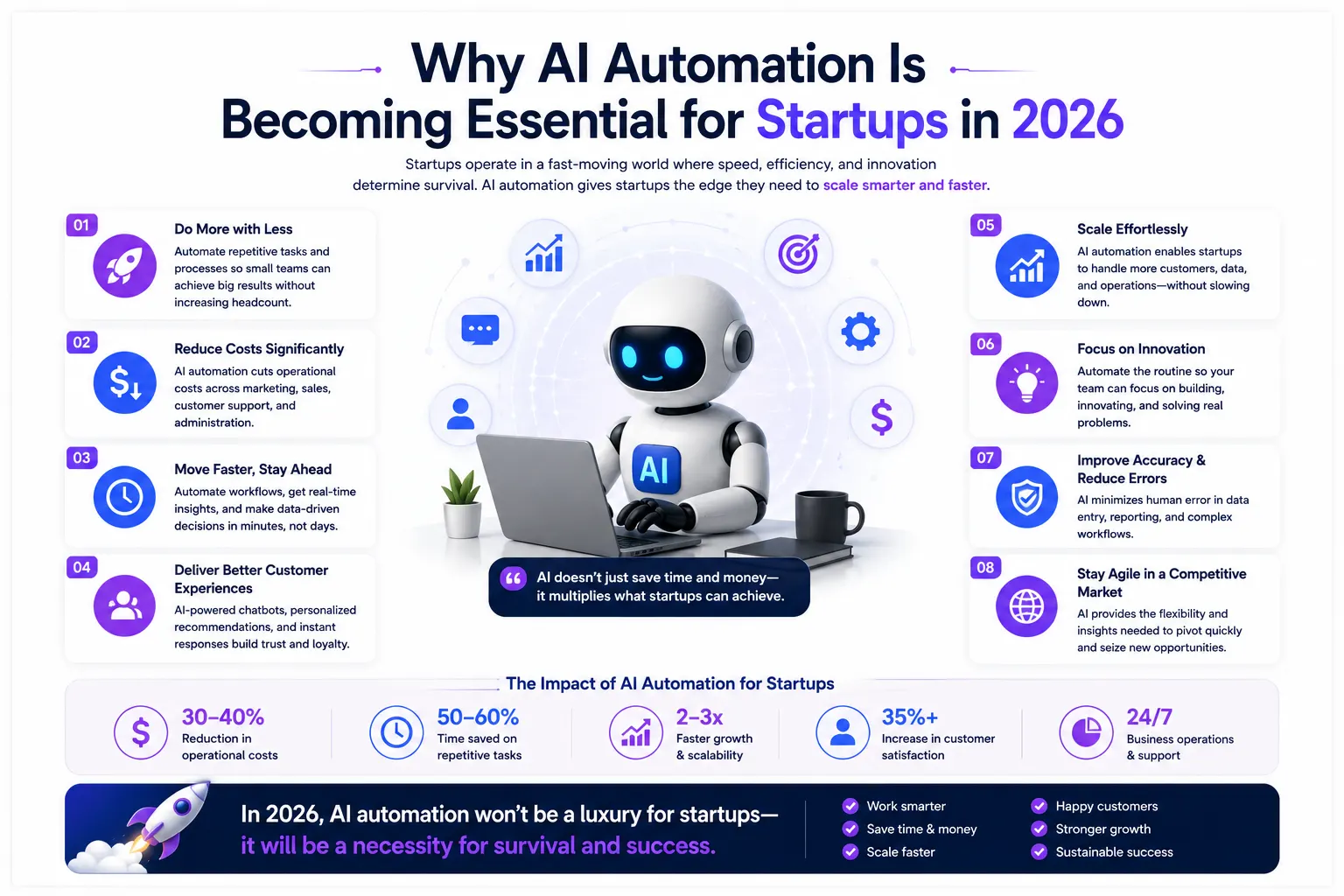
The pressure on businesses today is very different compared to a few years ago. Customers expect faster replies, quicker deliveries, personalized communication, and 24/7 availability. At the same time, operational costs are increasing.
For many startups and small businesses, hiring large teams is not financially practical. This is where automation started becoming attractive.
AI tools can now handle repetitive tasks within seconds that previously took hours of manual work. Businesses are saving time, reducing workload, and improving response speed without continuously expanding staff.
But while automation solves many operational problems, it does not automatically improve business quality. That still depends heavily on human understanding and decision-making.
What Businesses Should Automate
Not every task needs human involvement. Some operations are repetitive by nature and are ideal for automation.
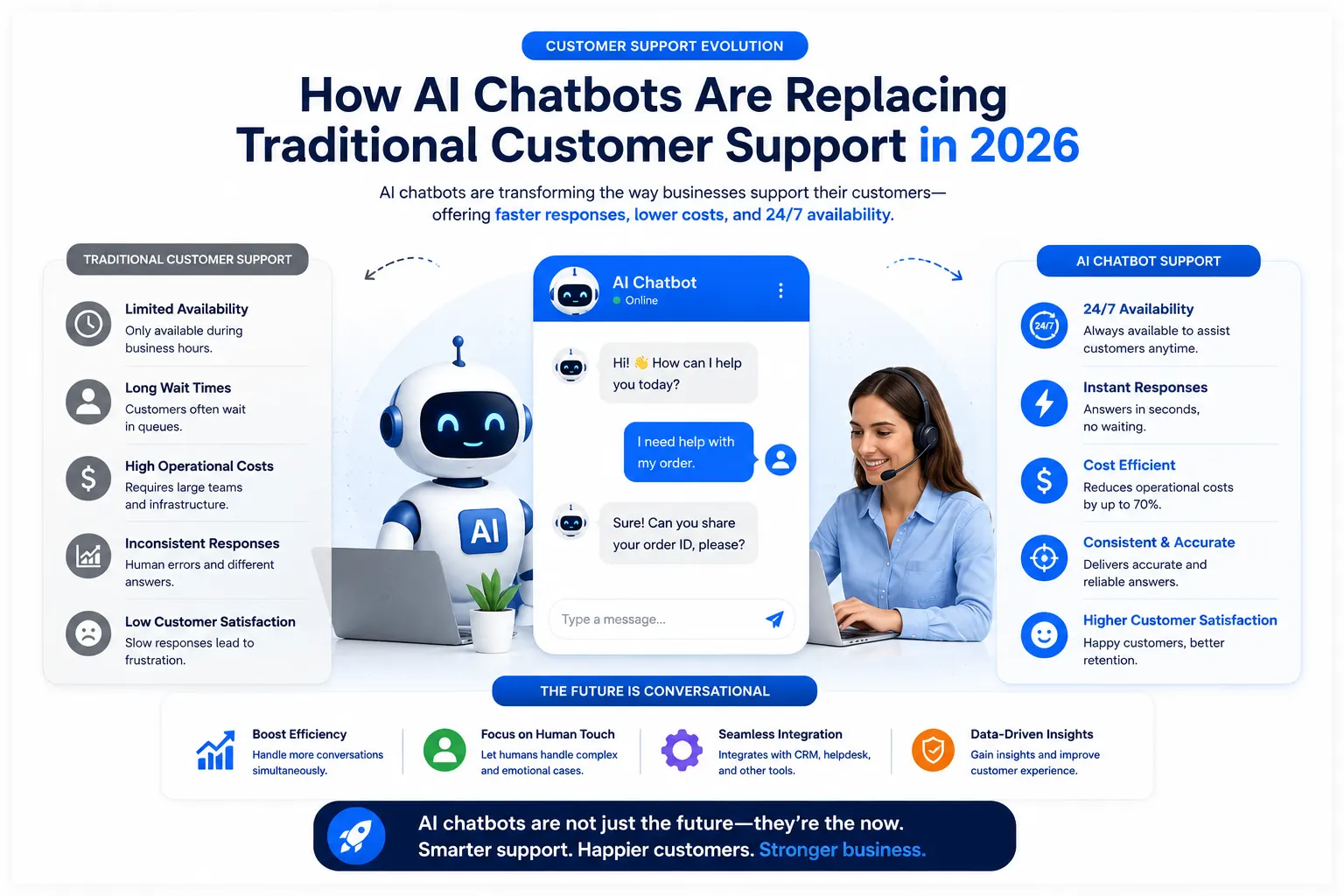
Customer Support Queries
Businesses are increasingly using AI chatbots for basic support questions. Customers asking about pricing, order tracking, business hours, refunds, or appointment availability usually want quick answers rather than human conversations.
AI systems can handle these tasks efficiently and reduce pressure on support teams.
However, when customers face emotional situations, complaints, or complicated issues, human communication still matters far more.
Appointment Scheduling
Manual scheduling wastes a surprising amount of business time. AI scheduling systems can automatically confirm bookings, send reminders, handle rescheduling, and organize calendars without human involvement.
This is especially useful for healthcare clinics, agencies, consultants, and service-based businesses.
Email Marketing Automation
Businesses are using AI to send personalized email campaigns based on customer behavior. Automated systems can recommend products, recover abandoned carts, and follow up with leads automatically.
Done properly, this saves time while improving engagement.
Reporting and Data Analysis
AI tools are extremely effective at processing large amounts of business data quickly. Companies now use automation for:
- Sales reports
- Traffic analysis
- Customer behavior tracking
- Marketing performance insights
- Inventory forecasting
Instead of manually reviewing spreadsheets, businesses can receive instant summaries and trend predictions.
Lead Management
Many businesses lose potential customers simply because follow-ups happen too late. AI CRM systems now organize leads automatically, track interactions, and even prioritize which customers are more likely to convert.
This allows sales teams to focus on serious opportunities rather than manual sorting.
What Businesses Should NOT Fully Automate
One of the biggest mistakes companies are making right now is trying to automate work that depends heavily on human understanding.
Brand Voice and Storytelling
AI can generate content quickly, but businesses that rely entirely on AI-written communication often start sounding generic.
People connect with stories, experiences, opinions, emotions, and authenticity. Human-written content still performs better when it comes to trust, branding, and long-term audience connection.
This is especially noticeable in blogging, video scripts, brand messaging, and founder-led marketing.
Creative Strategy
AI can assist with ideas, but it cannot truly understand business vision the way humans do.
Brand direction, campaign concepts, emotional advertising, and long-term positioning still depend on creativity and experience.
The companies standing out online are usually the ones mixing human creativity with AI efficiency rather than replacing creativity completely.
Important Business Decisions
AI can provide data and predictions, but final business decisions should still involve human judgment.
Markets change unexpectedly. Customer behavior shifts. Trends disappear quickly. Human intuition, experience, and adaptability still play a major role in leadership.
Relationship Building
Strong business relationships are built through trust and communication. Whether it’s client meetings, partnerships, negotiations, or team leadership, people still prefer genuine human interaction.
Automation can support communication, but it cannot replace real connection.
The Problem With Over-Automation
A growing number of businesses are now facing problems because they automated too aggressively.
Some websites are publishing massive amounts of low-quality AI content just to target keywords. Others are using chatbots that frustrate customers instead of helping them.
In many cases, businesses focused too much on reducing workload and ignored customer experience.
Search engines are also becoming smarter. Content that feels robotic, repetitive, or mass-generated is struggling to build long-term authority.
Businesses seeing stable growth are usually the ones using AI carefully rather than excessively.
The Future Will Be Hybrid
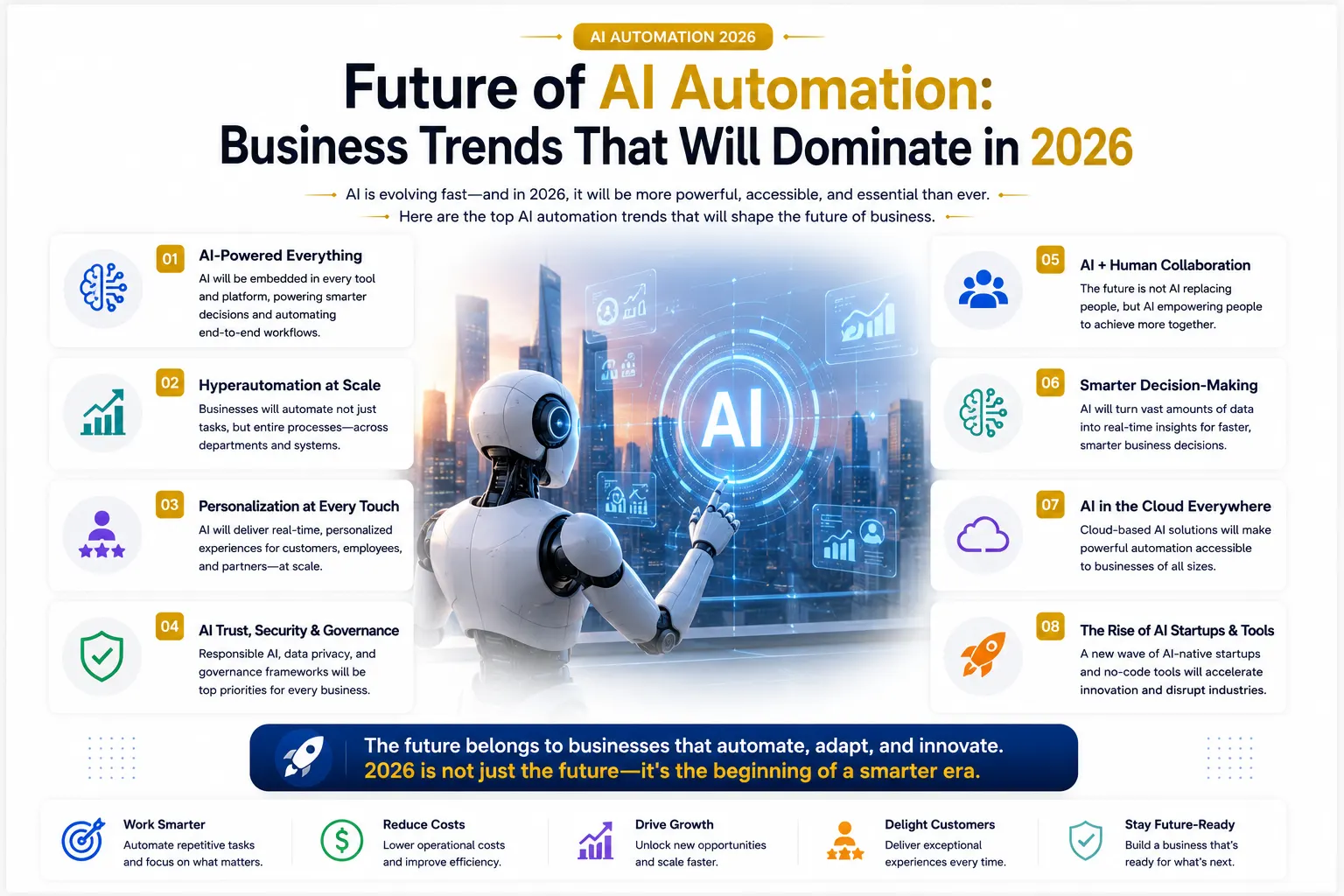
The most successful companies in the coming years are unlikely to be fully automated or fully manual. The future is clearly moving toward hybrid business systems.
AI will continue handling repetitive operations, data processing, and automation-heavy workflows.
Humans will continue leading creativity, relationships, innovation, and strategic thinking.
Businesses that balance both sides properly are likely to scale faster while maintaining trust and quality.
Final Thoughts
AI is changing business operations faster than most people expected, but the idea that automation will completely replace human work is still unrealistic.
The smartest businesses in 2026 are not asking, “How do we replace people?”
They are asking, “How do we remove repetitive work so people can focus on higher-value tasks?”
That shift in mindset is where the real advantage is happening.
Companies using AI responsibly while keeping human creativity and decision-making at the center are building stronger long-term growth compared to businesses trying to automate everything blindly.
FAQ
Can AI completely replace human employees?
No, AI can automate repetitive tasks, but creativity, leadership, emotional understanding, and strategic decision-making still require humans.
What business tasks are best for AI automation?
Customer support, scheduling, reporting, lead management, email automation, and workflow processing are commonly automated using AI.
Is content good for SEO?
AI-assisted content can help with productivity, but content usually performs better when edited and refined by humans with real insights and experience.
Why are businesses still hiring humans if AI is growing?
Businesses still need people for creative work, communication, leadership, branding, and customer relationships.
What is the future of AI in business?
Most experts believe businesses will use hybrid systems where AI handles repetitive work while humans focus on strategy and innovation.
Discussion & Feedback
Join The Discourse
Comments are reviewed for technical quality.