
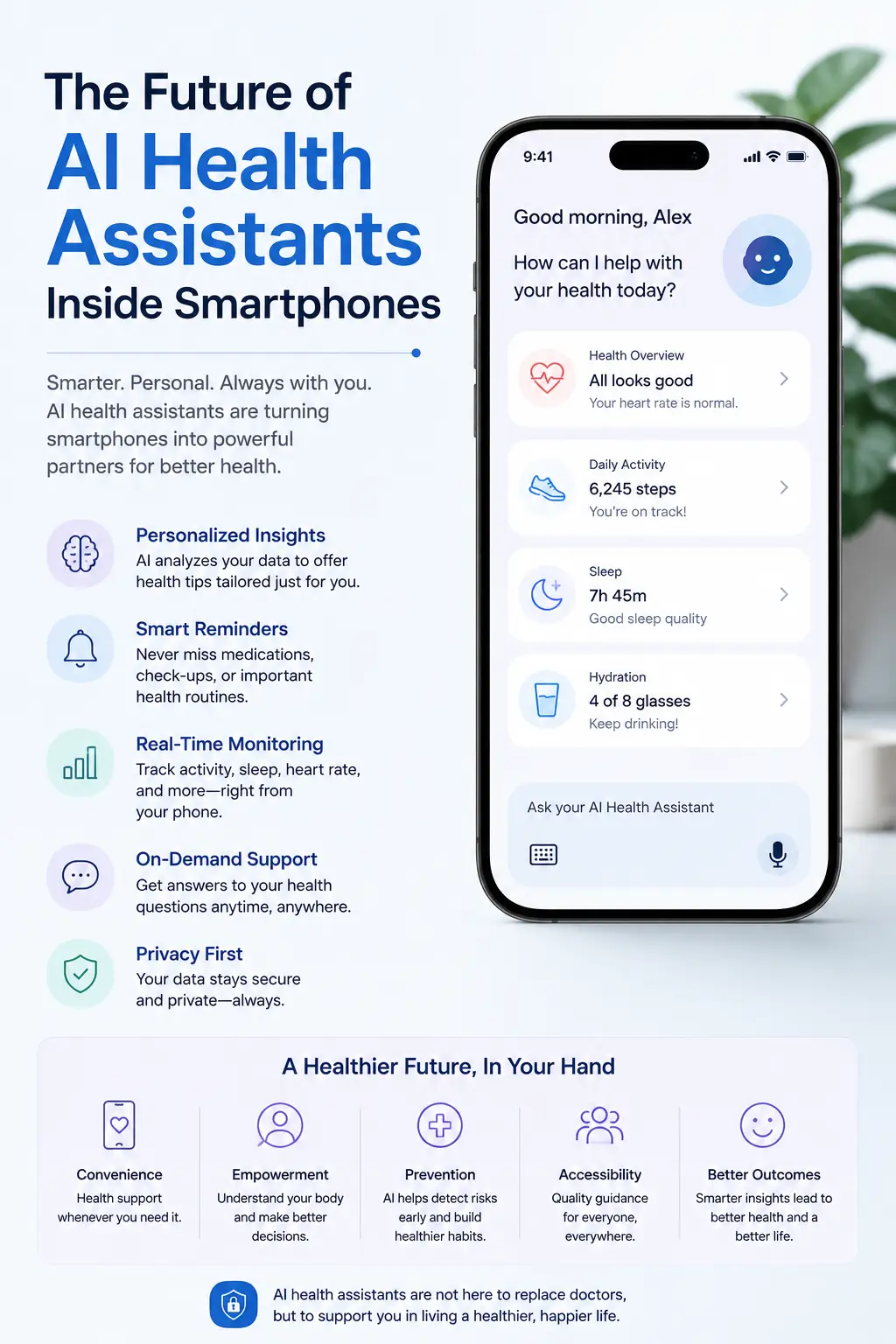
Smartphones have already transformed communication, entertainment, business, and daily life. But in 2026, another major shift is beginning to take shape — smartphones are gradually turning into intelligent health support systems powered by artificial intelligence.
What started as simple fitness tracking apps and step counters is now evolving into something much more advanced. Technology companies are increasingly integrating AI-powered health assistants into mobile devices capable of monitoring wellness, analyzing health data, and supporting users through personalized digital healthcare systems.
Many experts believe smartphones may eventually become one of the most important personal healthcare tools people use every day.
What Are AI Health Assistants?
AI health assistants are artificial intelligence-powered systems integrated into smartphones and digital devices that help users monitor health, manage wellness, track medical information, and receive personalized health-related guidance in real time.
Bureau Verification Tools
This shift is attracting attention from technology companies, healthcare providers, app developers, and wearable device manufacturers worldwide.
Smartphones Are Becoming Health Monitoring Devices
Modern smartphones already collect large amounts of user data through sensors, connected devices, and wearable integration.
Combined with AI systems, this information can help create more personalized health monitoring experiences.
Today smartphones can already assist with:
- Fitness tracking
- Sleep monitoring
- Heart rate analysis
- Wellness reminders
- Stress tracking
- Activity management
The next phase involves making these systems far more intelligent and proactive.
AI Is Changing How Health Data Is Used
One major difference between traditional health apps and AI-powered health assistants is analysis capability.
Older applications mainly displayed information. AI systems are starting to interpret patterns and provide contextual insights.
Personalized Health Guidance
AI assistants may eventually help users understand:
- Sleep quality patterns
- Stress triggers
- Activity trends
- Recovery behavior
- Lifestyle habits
instead of only showing raw data.
This creates a more interactive and personalized healthcare experience.
Wearable Technology Is Accelerating This Trend
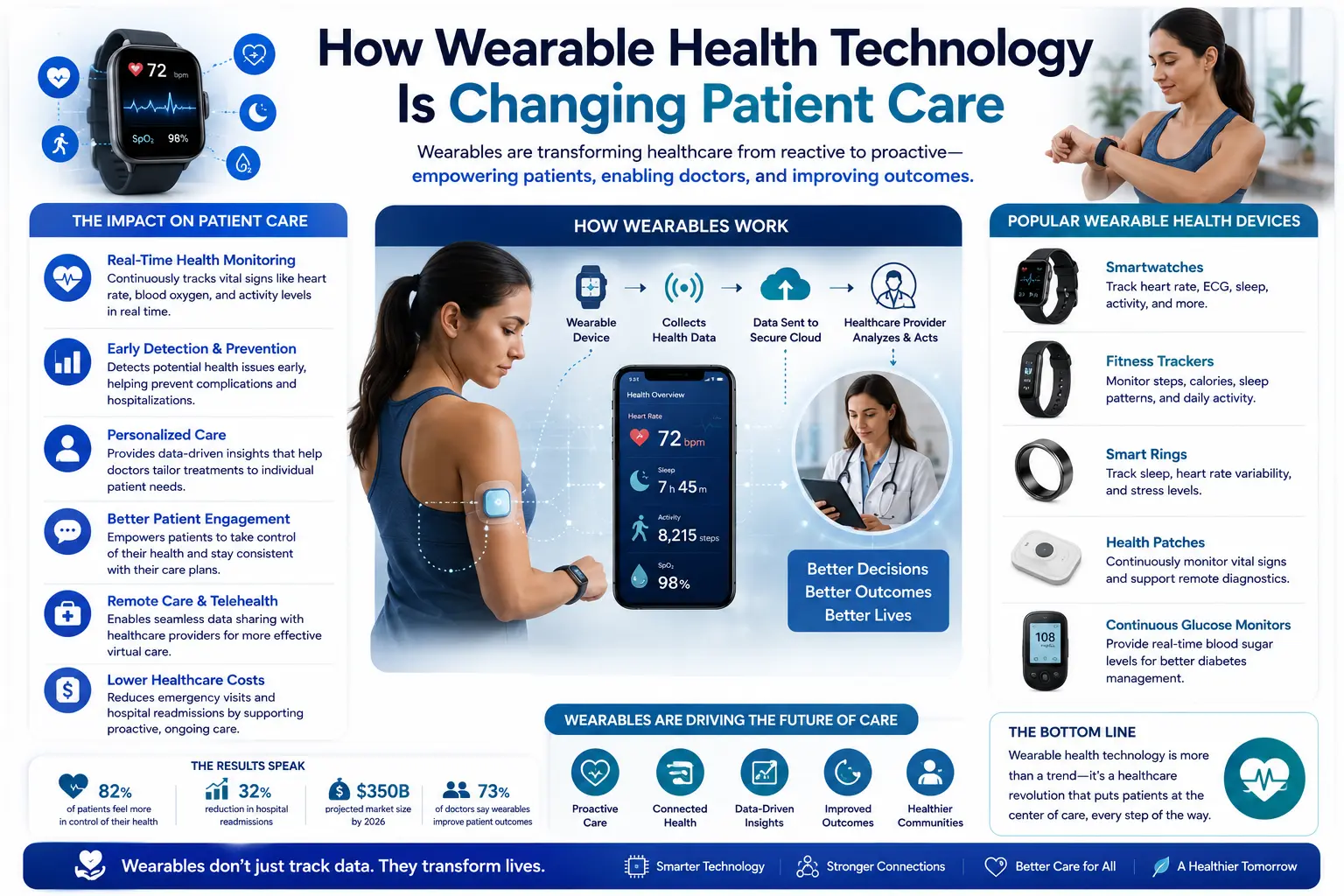
Smartphones are increasingly connected with wearable health devices.
Modern smartwatches and health wearables can monitor:
- Heart rate
- Oxygen levels
- Sleep cycles
- Physical activity
- ECG patterns
- Temperature changes
AI systems inside smartphones can analyze this continuous stream of information and generate useful insights for users.
Preventive Healthcare Is Becoming More Important
Healthcare systems globally are placing more focus on prevention rather than only treatment.
AI-powered smartphone health assistants may help users identify health risks earlier through continuous monitoring and behavioral analysis.
Early Warning Possibilities
Future AI systems may detect unusual patterns related to:
- Sleep disruption
- Heart activity
- Stress levels
- Physical inactivity
- Wellness changes
before users notice symptoms themselves.
This could improve preventive healthcare awareness significantly.
Big Technology Companies Are Expanding Health Features
Major technology companies are investing heavily in digital healthcare ecosystems.
Smartphone manufacturers and software companies are increasingly adding:
- AI wellness tools
- Health tracking systems
- Medical data integration
- Personalized recommendations
- Emergency monitoring features
to mobile platforms.
Businesses and researchers continue tracking developments from companies like Apple Health and Google Health as mobile healthcare technology evolves rapidly.
Mental Wellness Technology Is Also Growing
Mental health monitoring is becoming another important area for AI-assisted healthcare systems.
AI-powered smartphone assistants may help users manage:
- Stress levels
- Sleep habits
- Screen-time balance
- Wellness routines
- Mental health awareness
through behavioral insights and personalized recommendations.
While these systems cannot replace professional healthcare support, they may improve awareness and early wellness management.
AI Voice Assistants Could Become Healthcare Helpers
Voice AI technology is also becoming part of digital healthcare discussions.
Future smartphone assistants may support users through:
- Medication reminders
- Appointment scheduling
- Health tracking updates
- Wellness check-ins
- Emergency assistance
using conversational AI systems.
This could make healthcare interaction more accessible for many users.
Privacy and Data Security Concerns Are Growing
As smartphones collect more health-related data, privacy concerns are becoming increasingly important.
Health information is highly sensitive, and users are becoming more cautious about:
- Data storage
- Third-party access
- Tracking permissions
- AI analysis systems
- Medical privacy
Technology companies developing AI health assistants are under growing pressure to improve security and transparency.
Organizations such as World Health Organization (WHO) and National Institutes of Health (NIH) continue discussing digital healthcare, medical technology, and health data standards globally.
AI Health Systems Still Have Limitations
Despite rapid innovation, AI health assistants are not replacements for doctors or professional healthcare systems.
Medical Accuracy Challenges
AI systems can sometimes misinterpret data or provide inaccurate suggestions if health information is incomplete or inconsistent.
Overdependence Risks
Some experts are concerned that users may rely too heavily on health guidance without consulting medical professionals when necessary.
This is why healthcare experts emphasize that AI systems should support healthcare decisions rather than replace professional medical care entirely.
Healthcare Accessibility Could Improve
One major advantage of smartphone-based healthcare systems is accessibility.
Millions of people already carry smartphones daily, making digital health support more widely available than traditional medical infrastructure alone.
This may especially help:
- Remote communities
- Busy professionals
- Elderly users
- Preventive healthcare programs
through easier access to health monitoring tools.
The Future of Smartphone Healthcare
Industry experts believe smartphones will continue evolving into more advanced health platforms over the next decade.
Future developments may include:
- AI-powered symptom analysis
- Personalized wellness coaching
- Real-time biometric monitoring
- Predictive health alerts
- Voice-based health support
- AI-assisted medical integration
The line between consumer technology and healthcare infrastructure is gradually becoming smaller.
The Business Side of Digital Health
The healthcare technology industry is also becoming a major business opportunity.
Companies are investing heavily in:
- Digital health apps
- AI healthcare systems
- Mobile wellness platforms
- Remote monitoring systems
- Preventive healthcare tools
This is creating rapid growth across the Health-Tech sector.
Final Thoughts
AI health assistants inside smartphones are becoming one of the most interesting developments in modern healthcare technology.
As AI systems, wearable devices, and smartphone platforms continue evolving together, mobile devices may gradually become powerful personal healthcare companions capable of supporting wellness, preventive care, and health awareness.
However, the future of digital healthcare will still depend heavily on balancing innovation, privacy, security, and responsible medical use.
The companies building trustworthy and genuinely useful healthcare ecosystems are likely to shape the next generation of mobile health technology worldwide.
Sources & References
FAQ
What are AI health assistants?
AI health assistants are smartphone-based systems that use artificial intelligence to help monitor wellness, health activity, and healthcare information.
How do smartphones support digital healthcare?
Smartphones support healthcare through health apps, wearable integration, AI analysis, wellness tracking, and digital health management tools.
Can AI health assistants replace doctors?
No, AI health assistants can support healthcare monitoring and wellness awareness, but they cannot replace professional medical care.
Why are wearable devices important for AI healthcare?
Wearables provide continuous health data that AI systems can analyze for personalized insights and preventive healthcare support.
What is the future of smartphone healthcare technology?
Experts expect AI-powered monitoring, predictive healthcare systems, and personalized wellness assistants to become more advanced in future smartphones.

Discussion & Feedback
Join The Discourse
Comments are reviewed for technical quality.