
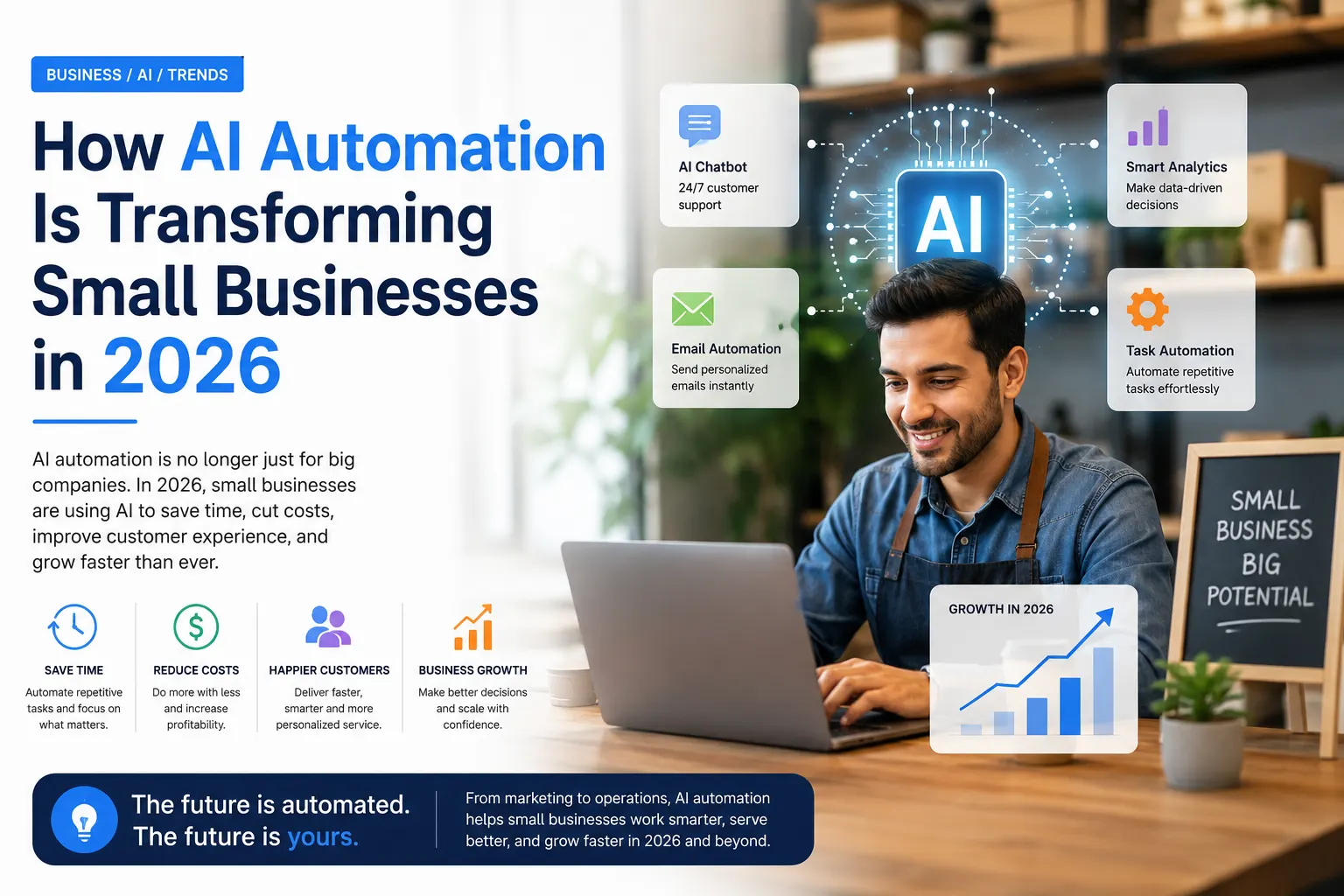
How AI Automation Is Transforming Small Businesses in 2026
Artificial Intelligence is no longer limited to large tech companies with massive budgets. In 2026, AI automation has become one of the biggest growth drivers for small businesses across industries. From local service providers and eCommerce stores to digital agencies and startups, businesses are using AI-powered tools to reduce manual work, improve customer experiences, and increase profits without hiring large teams.
Over the past year, the adoption of AI automation has accelerated rapidly. Businesses that once depended entirely on manual operations are now automating customer support, content creation, lead generation, invoicing, appointment scheduling, marketing campaigns, and even internal communication systems.
AI automation is transforming small businesses in 2026 by improving customer service, automating daily operations, optimizing marketing campaigns, and increasing business efficiency. Small companies are using AI-powered tools to handle repetitive work, generate leads, personalize customer experiences, and make smarter business decisions with real-time data.
What makes this shift more interesting is that AI tools are becoming easier and more affordable for smaller companies. Owners no longer need advanced technical knowledge to implement automation systems that save time and improve productivity.
Bureau Verification Tools
Why Small Businesses Are Rapidly Adopting AI
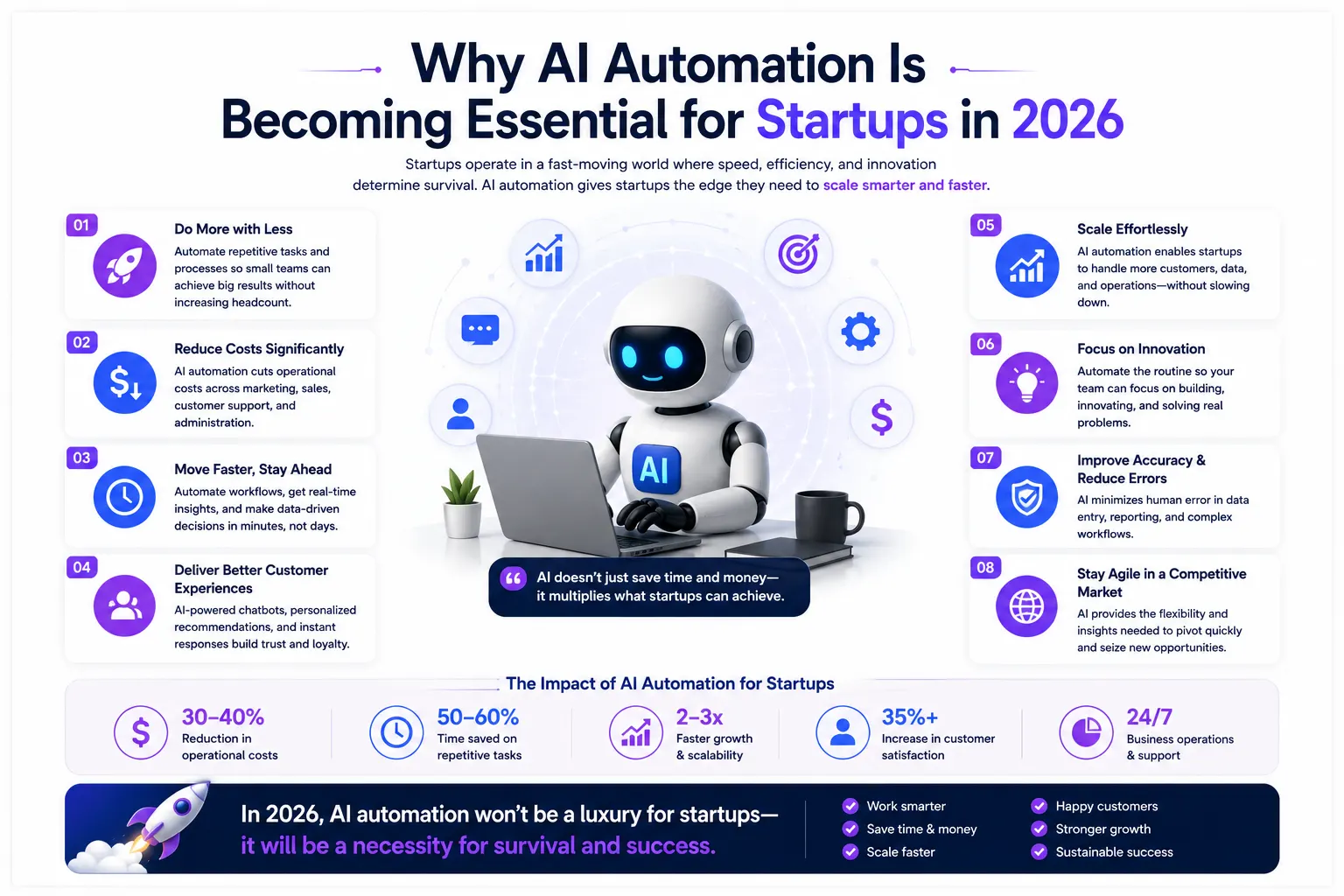
One of the main reasons small businesses are moving toward AI automation is cost efficiency. Hiring full teams for repetitive tasks is expensive, especially for startups and growing companies. AI tools allow businesses to automate processes that previously required multiple employees.
Another major factor is speed. Customers now expect instant responses, fast delivery, and personalized experiences. AI-powered chatbots, automated email systems, and smart CRM tools help businesses meet those expectations around the clock.
Businesses are also using AI to analyze customer behavior and market trends. This allows owners to make faster decisions based on real-time data instead of assumptions.
AI Automation in Customer Support
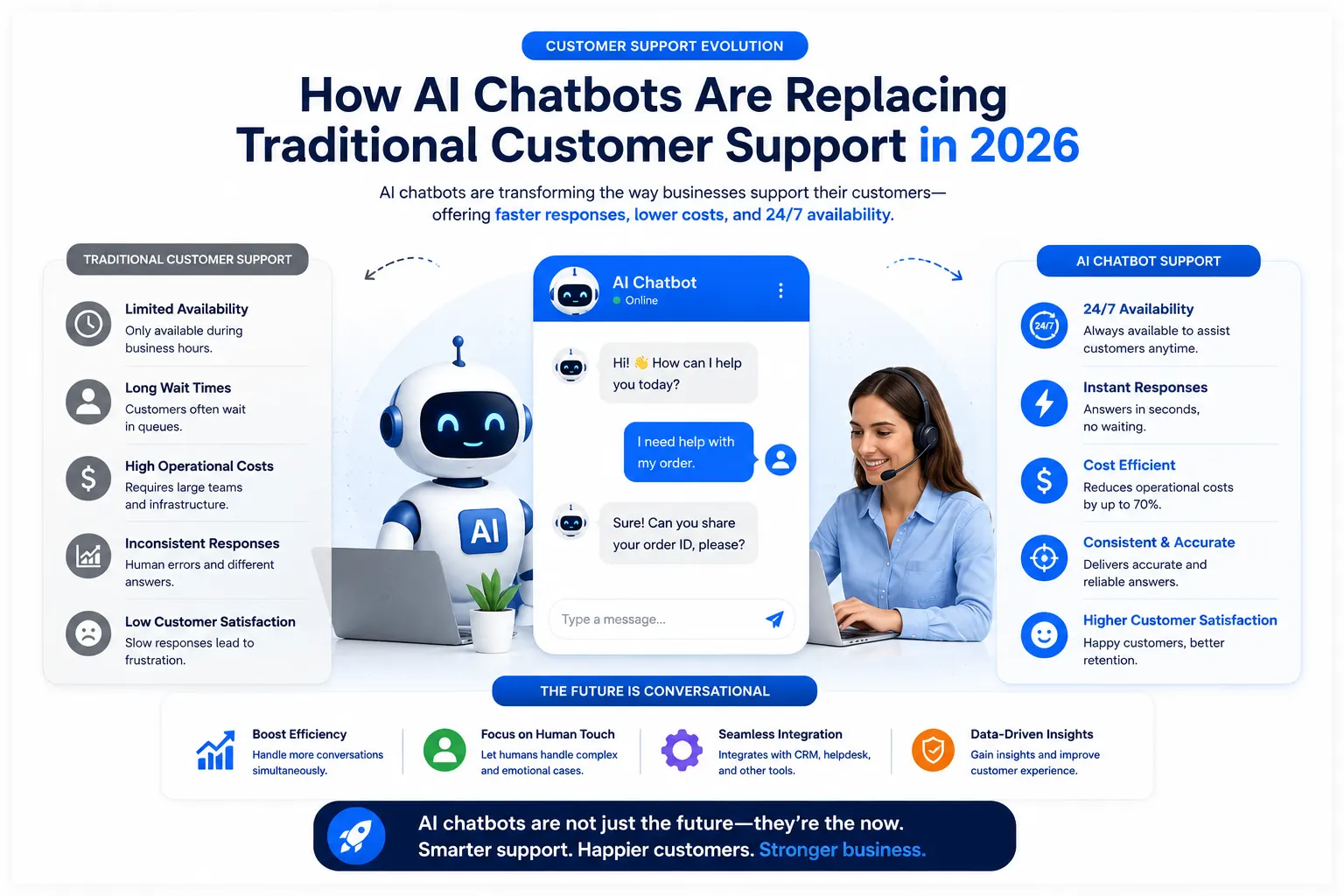
Customer support has seen one of the biggest transformations through AI automation. Many businesses now use AI chatbots on websites, WhatsApp, Facebook Messenger, and mobile apps to answer customer queries instantly.
Modern AI systems can:
Handle Common Customer Questions
Businesses are training AI chatbots to answer frequently asked questions related to pricing, services, delivery times, refunds, and technical support.
Reduce Support Costs
Instead of maintaining large support teams for basic queries, businesses are automating repetitive communication tasks and allowing human agents to focus on more complex issues.
Improve Customer Experience
Customers appreciate fast responses. AI support systems can provide instant assistance 24/7 without delays, which improves trust and user satisfaction.
What Is AI Automation for Small Businesses?
AI automation helps small businesses use artificial intelligence tools to automate repetitive tasks like customer support, marketing, invoicing, scheduling, lead generation, and data analysis. In 2026, businesses are using AI automation to save time, reduce costs, improve productivity, and deliver faster customer experiences without expanding large teams.
AI-Powered Marketing Is Growing Fast
Digital marketing is another area where AI automation is creating major changes. Businesses are using AI tools to generate marketing content, optimize advertising campaigns, write product descriptions, and schedule social media posts automatically.
Smarter Advertising Campaigns
AI-powered advertising platforms can analyze audience behavior and automatically optimize ad targeting for better conversions.
Content Generation
Many businesses now use AI-assisted content tools for blog ideas, email drafts, SEO planning, and product content creation. However, companies that combine human creativity with AI assistance are seeing the best long-term results.
Email Automation
AI email systems can personalize messages based on customer behavior, purchase history, and engagement patterns, increasing open rates and conversions.
How AI Is Changing Daily Business Operations
Beyond marketing and customer support, AI automation is simplifying everyday business management.
Businesses are automating:
- Invoice generation
- Appointment scheduling
- Inventory tracking
- Employee attendance systems
- Sales reporting
- CRM updates
- Lead qualification
This helps owners spend less time on repetitive tasks and focus more on business growth strategies.
Industries Seeing the Biggest AI Growth
Several industries are experiencing rapid AI adoption in 2026.
eCommerce
Online stores are using AI for personalized recommendations, automated customer support, pricing optimization, and smart product suggestions.
Healthcare
Healthcare businesses are implementing AI scheduling systems, virtual assistants, and patient communication tools.
Real Estate
Real estate agencies are automating lead generation, inquiry handling, and property recommendation systems.
Finance
Financial companies are using AI for fraud detection, customer analytics, and automated reporting systems.
The Challenges Businesses Still Face
Despite its advantages, AI automation is not perfect. Many businesses still struggle with implementation costs, poor automation strategies, and overdependence on generic content.
Some companies are also facing SEO problems because they publish low-quality AI-written content without human editing. Search engines are increasingly prioritizing original, experience-based content that provides real value to readers.
Businesses that use AI responsibly while maintaining authenticity are likely to perform better in the long term.
What the Future Looks Like
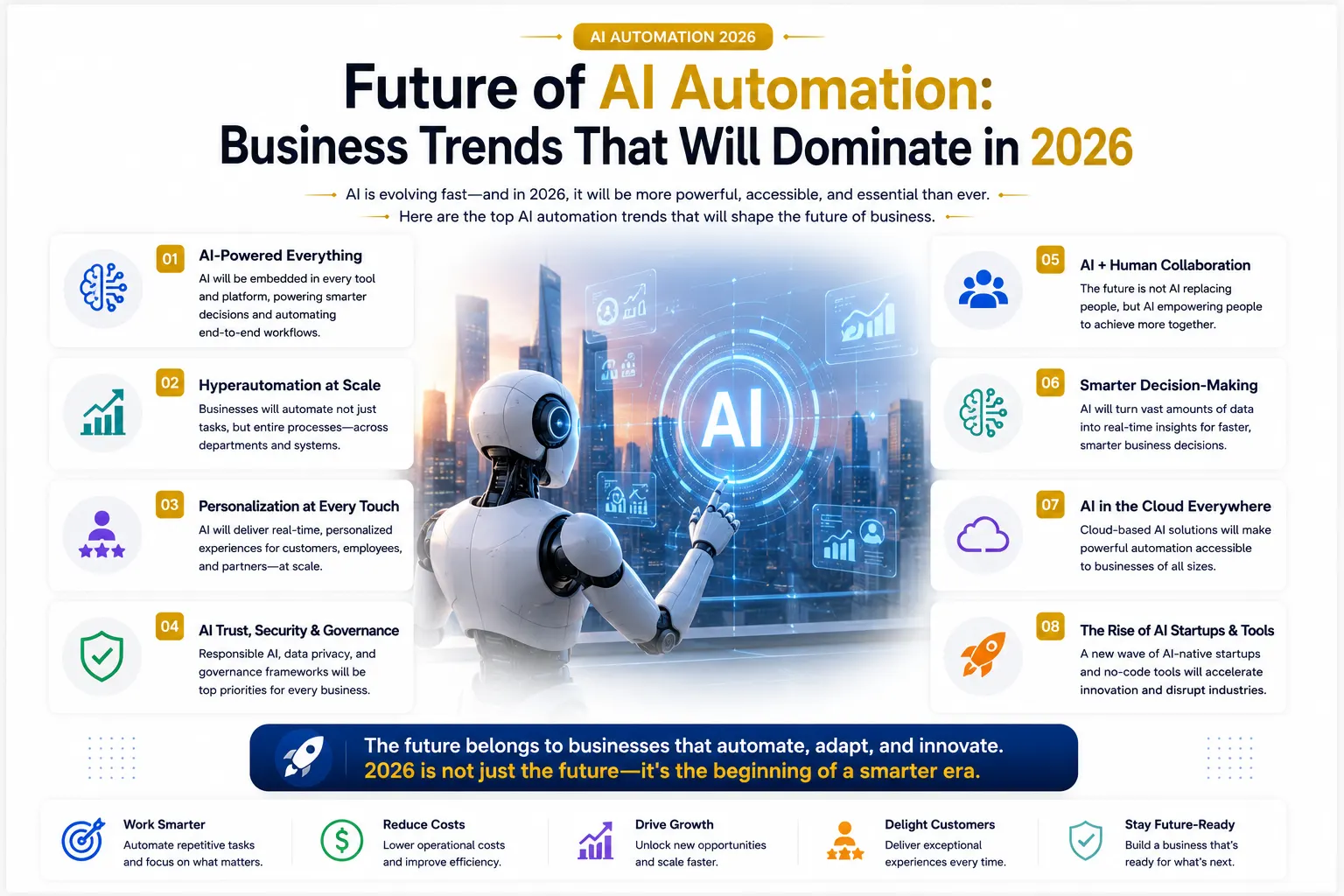
Industry experts believe AI automation will continue expanding across every business sector over the next few years. The focus is now shifting from simple automation toward intelligent systems capable of making real-time business decisions.
Voice AI, AI agents, predictive analytics, and hyper-personalized customer experiences are expected to dominate the next phase of business automation.
For small businesses, this creates both an opportunity and a challenge. Companies that adapt early may gain a strong competitive advantage, while those that ignore automation trends could struggle to keep pace with changing customer expectations.
Final Thoughts
AI automation is no longer a futuristic concept. It has become a practical business tool that is reshaping how small businesses operate in 2026.
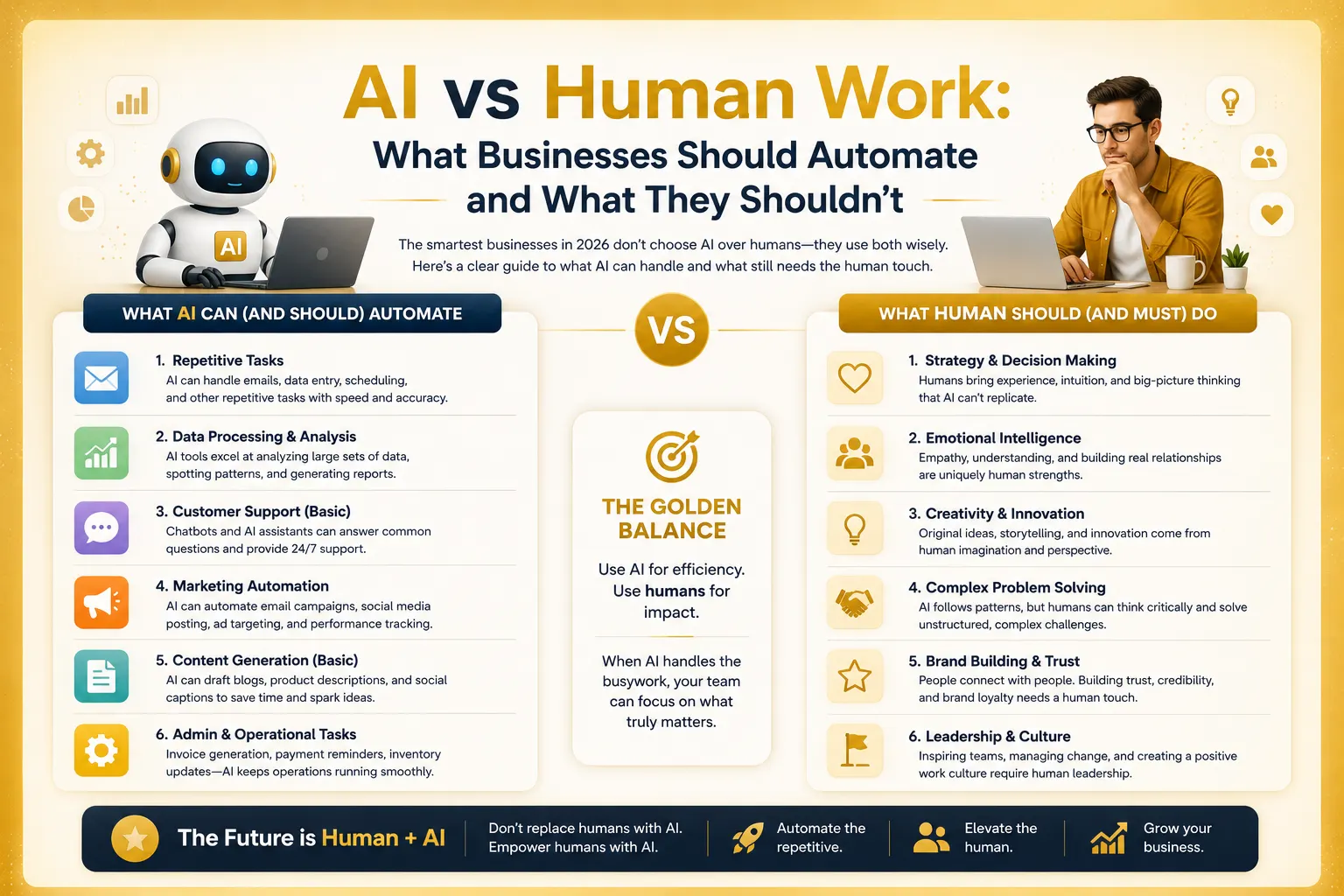
The businesses seeing the best results are not replacing humans completely. Instead, they are using AI to improve efficiency, reduce repetitive work, and support smarter decision-making.
As technology continues to evolve, AI automation is likely to become a standard part of modern business operations rather than an optional upgrade.
FAQ
How are small businesses using AI automation in 2026?
Small businesses are using AI automation for customer support, email marketing, appointment scheduling, invoicing, CRM management, social media automation, and workflow optimization.
Is AI automation expensive for small businesses?
Many modern AI tools are affordable and subscription-based, making automation accessible for startups and small businesses with limited budgets.
Can AI replace employees completely?
Most businesses use AI to support employees rather than replace them entirely. AI handles repetitive tasks while humans focus on strategy, creativity, and customer relationships.
Which industries are using AI automation the most?
Industries like eCommerce, healthcare, finance, real estate, digital marketing, and customer support are rapidly adopting AI automation technologies.
Does AI automation help increase business profits?
Yes, AI automation can reduce operational costs, improve efficiency, increase customer engagement, and help businesses scale faster with fewer manual processes.
Discussion & Feedback
Join The Discourse
Comments are reviewed for technical quality.