
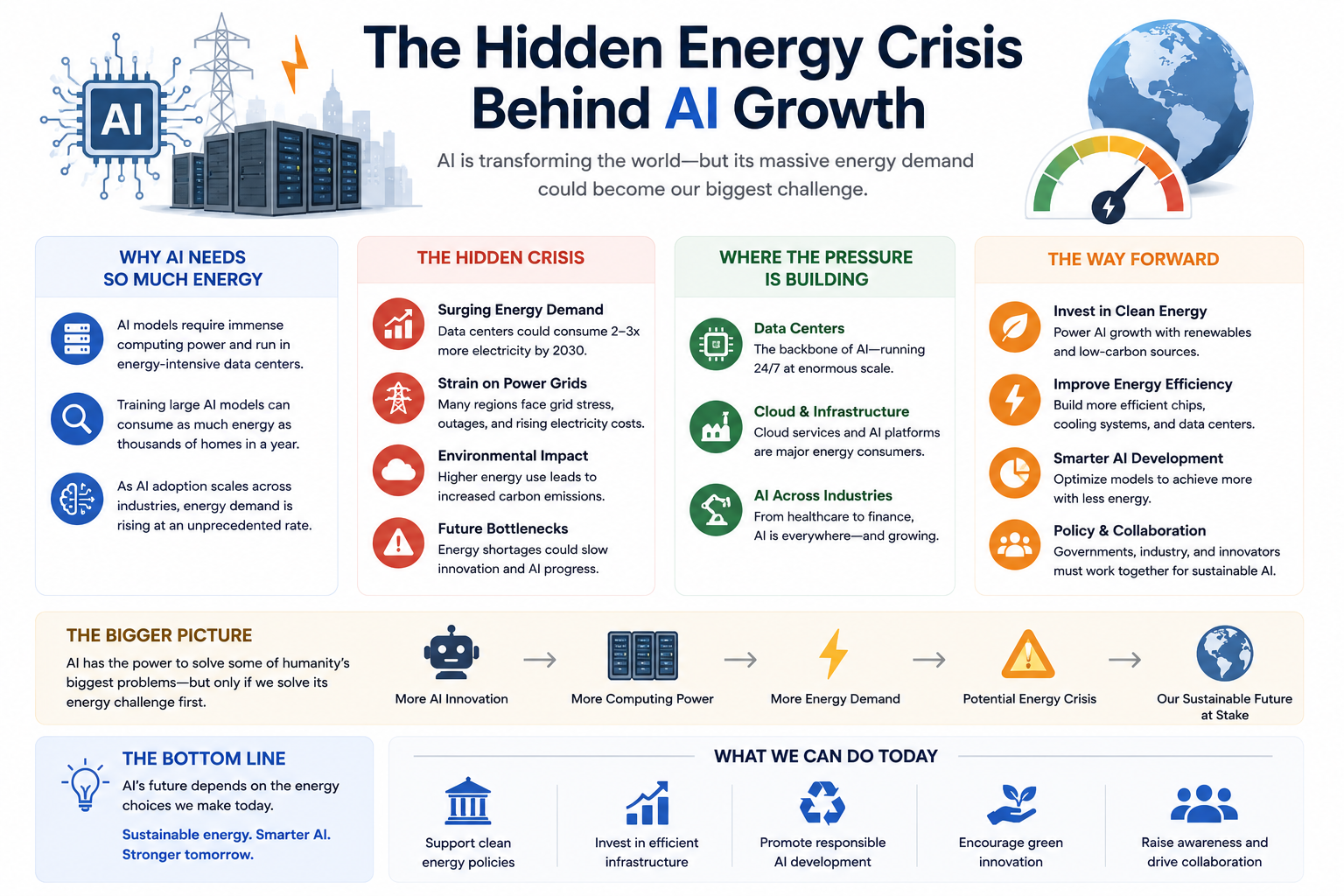
Artificial Intelligence is growing at an extraordinary pace, but behind every AI chatbot, image generator, automation platform, and machine learning system lies an enormous amount of physical infrastructure consuming huge amounts of energy every single day.
As AI adoption accelerates globally in 2026, one major challenge is becoming impossible for the technology industry to ignore electricity demand.
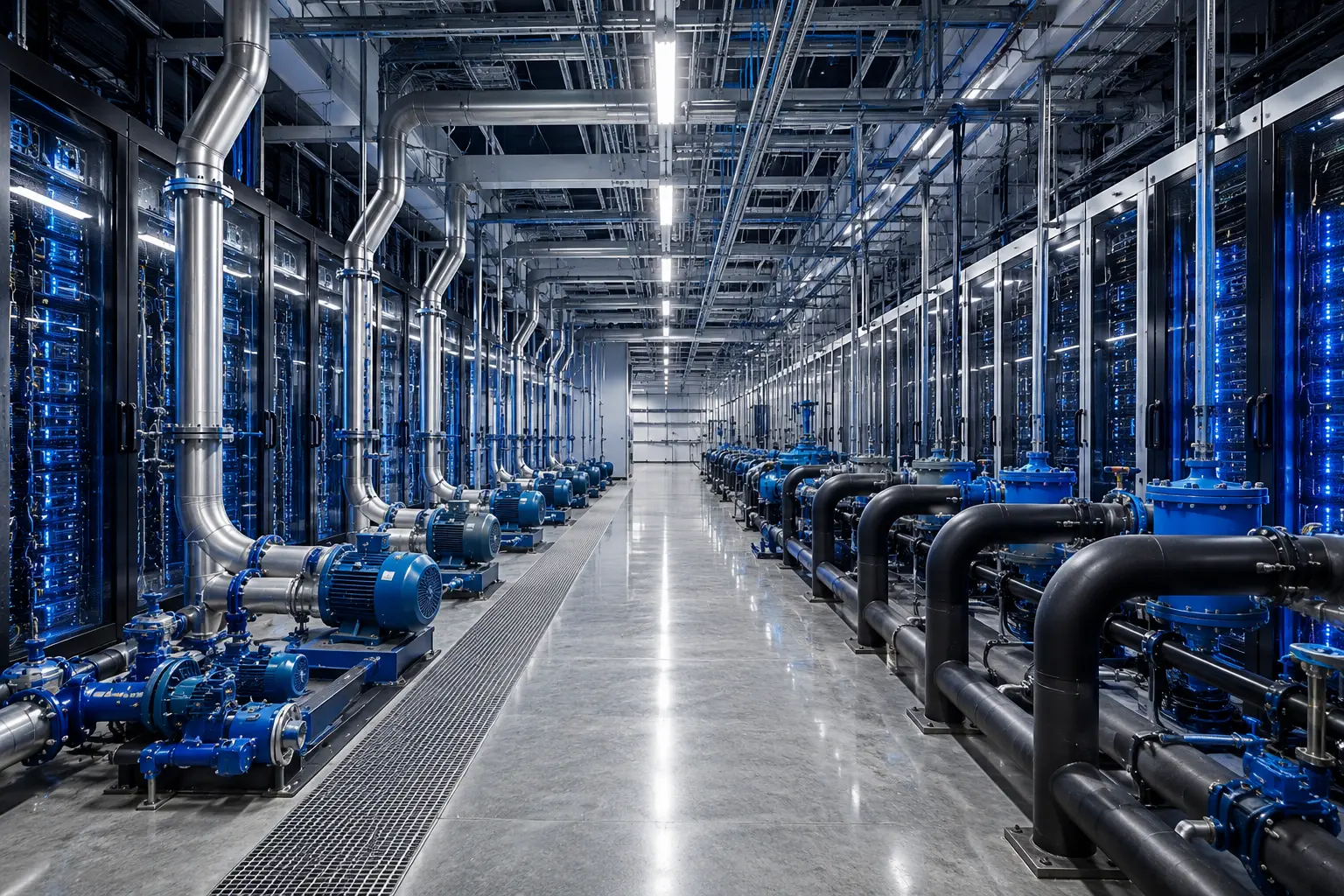
Modern AI systems require large-scale data centers filled with high-performance computing hardware operating continuously. These facilities consume massive amounts of power while also generating enormous heat that requires advanced cooling systems.
Because of this, many technology companies are now looking beyond software innovation and focusing heavily on energy infrastructure.
Bureau Verification Tools
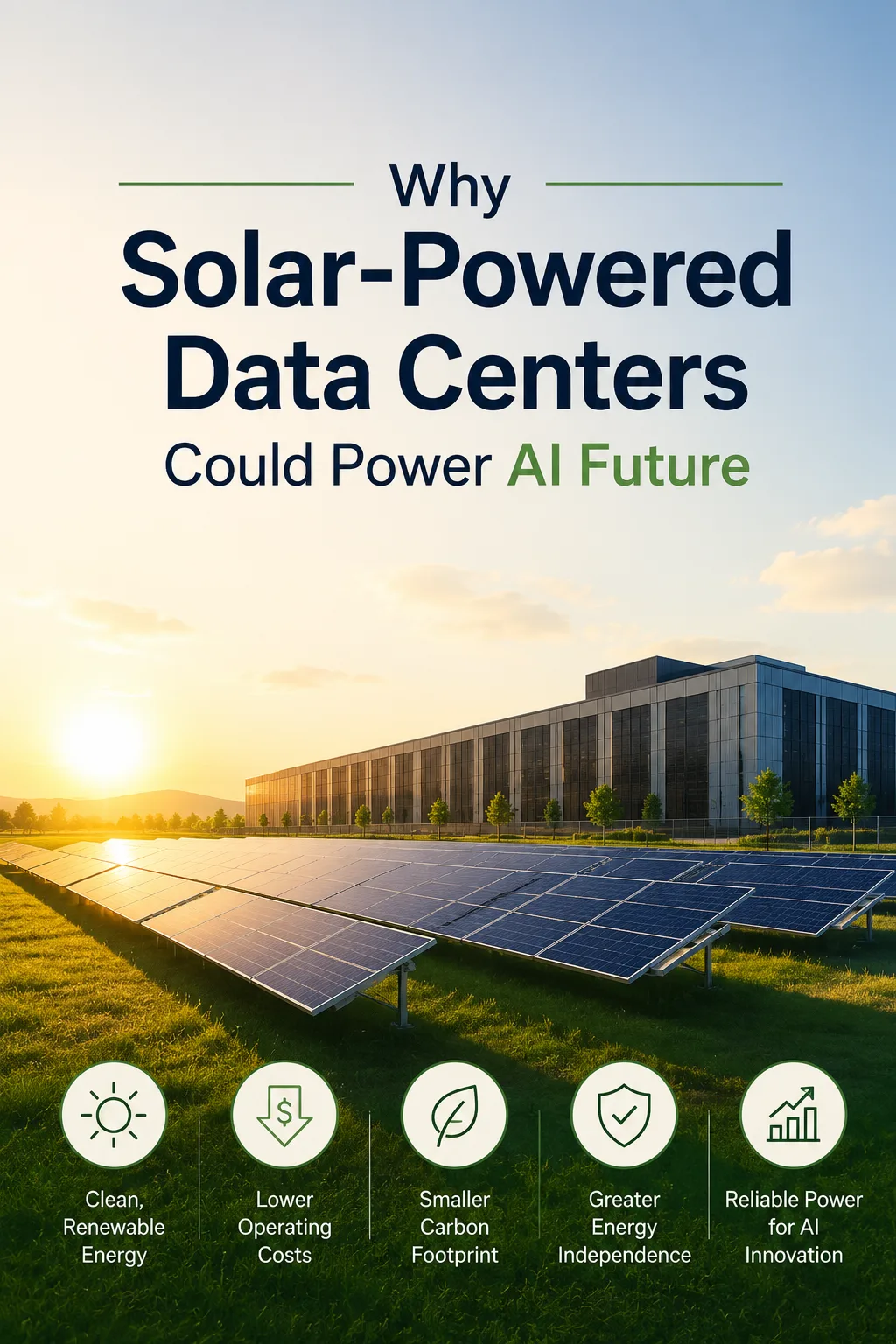
Why Are Solar-Powered Data Centers Important for AI?
Solar-powered data centers are becoming important because AI systems require massive computing infrastructure that consumes enormous electricity. Renewable-powered data centers may help support future AI growth while reducing energy costs and environmental pressure.
One idea attracting growing attention is solar-powered data centers.
What once sounded like an experimental sustainability concept is now becoming part of serious discussions around the future of AI infrastructure and long-term computing scalability.
Why AI Infrastructure Needs So Much Energy
Most users interact with AI through simple interfaces like apps, websites, or cloud services. But behind those systems are large data centers running thousands of GPUs and servers simultaneously.
AI systems require power for:
- Model training
- Cloud processing
- Real-time AI responses
- Data storage
- Machine learning operations
- Continuous uptime infrastructure
The larger AI systems become, the more energy they consume.
This is creating a growing challenge for technology companies trying to scale AI services globally.
Data Centers Are Becoming Massive Power Consumers
Data centers already consume large amounts of electricity worldwide, but AI is increasing demand much faster.
AI Servers Require Advanced Hardware
Modern AI processing depends heavily on high-performance chips and GPU infrastructure capable of handling extremely large computational workloads.
Training advanced AI models can sometimes require weeks of continuous processing across large hardware clusters.
Cooling Systems Add Even More Energy Pressure
One hidden problem with AI infrastructure is heat generation.
Large AI servers produce significant heat, forcing facilities to use powerful cooling systems continuously.
In some cases, cooling itself becomes one of the biggest operational energy expenses.
Why Solar Energy Is Becoming Attractive for Data Centers
Technology companies are increasingly exploring renewable energy because AI growth may eventually become limited by power availability and operational costs.
Solar energy is attracting attention because it offers long-term scalability and sustainability advantages.
Renewable Energy Can Reduce Operational Costs
Traditional electricity costs continue rising in many regions.
Large-scale solar infrastructure may help companies reduce long-term energy expenses while stabilizing operational costs for massive AI facilities.
Sustainability Pressure Is Increasing
Governments, investors, and environmental organizations are placing growing pressure on technology companies to reduce environmental impact.
AI infrastructure expansion without sustainable energy planning could create serious long-term criticism related to emissions and resource consumption.
Organizations such as International Energy Agency (IEA) continue tracking rising electricity demand linked to digital infrastructure and AI systems.
Big Technology Companies Are Investing in Renewable Infrastructure
Major cloud and AI companies are already investing heavily in renewable energy partnerships.
This includes:
- Solar farms
- Wind energy projects
- Battery storage systems
- Green infrastructure agreements
- Smart energy systems
The goal is not only environmental branding. Many companies now view energy access as a strategic requirement for future AI competitiveness.
AI Growth May Depend on Energy Availability
One major concern experts are discussing is whether future AI expansion could eventually face infrastructure limitations.
The demand for AI services is increasing extremely quickly across:
- Business automation
- Healthcare systems
- Cloud platforms
- Smart devices
- Search engines
- Content generation
- Robotics
This creates pressure not only on computing infrastructure, but also on national energy systems.
Green AI Is Becoming a Serious Industry Topic
Earlier, most AI discussions focused mainly on capabilities and innovation.
Now the industry is increasingly discussing:
- Energy efficiency
- Sustainable computing
- Green infrastructure
- Environmental impact
- Resource optimization
This is pushing companies toward more energy-conscious AI development strategies.
Energy-Efficient AI Models Are Also Emerging
Some developers are now trying to build AI systems that require less computational power while maintaining strong performance.
This could become an important trend as infrastructure costs continue rising.
Solar-Powered Data Centers Could Change Global Infrastructure Strategy
If renewable-powered AI infrastructure becomes more practical, it may influence where future data centers are built.
Location Strategy May Shift
Companies may prioritize regions with:
- Strong solar exposure
- Lower energy costs
- Renewable infrastructure support
- Cooler climates for easier cooling
This could reshape future technology infrastructure planning globally.
Governments Are Becoming More Involved
Governments worldwide are paying closer attention to the relationship between AI infrastructure and energy systems.
Large-scale AI growth affects:
- Electricity grids
- Industrial planning
- Environmental targets
- National competitiveness
- Energy security
Some countries are already competing to attract AI infrastructure investments through renewable energy incentives and technology partnerships.
Organizations like World Economic Forum and United Nations Environment Programme (UNEP) increasingly discuss sustainability challenges connected to digital infrastructure growth.
The Economics of AI Infrastructure Are Changing
One important reason renewable-powered data centers are gaining attention is long-term economics.
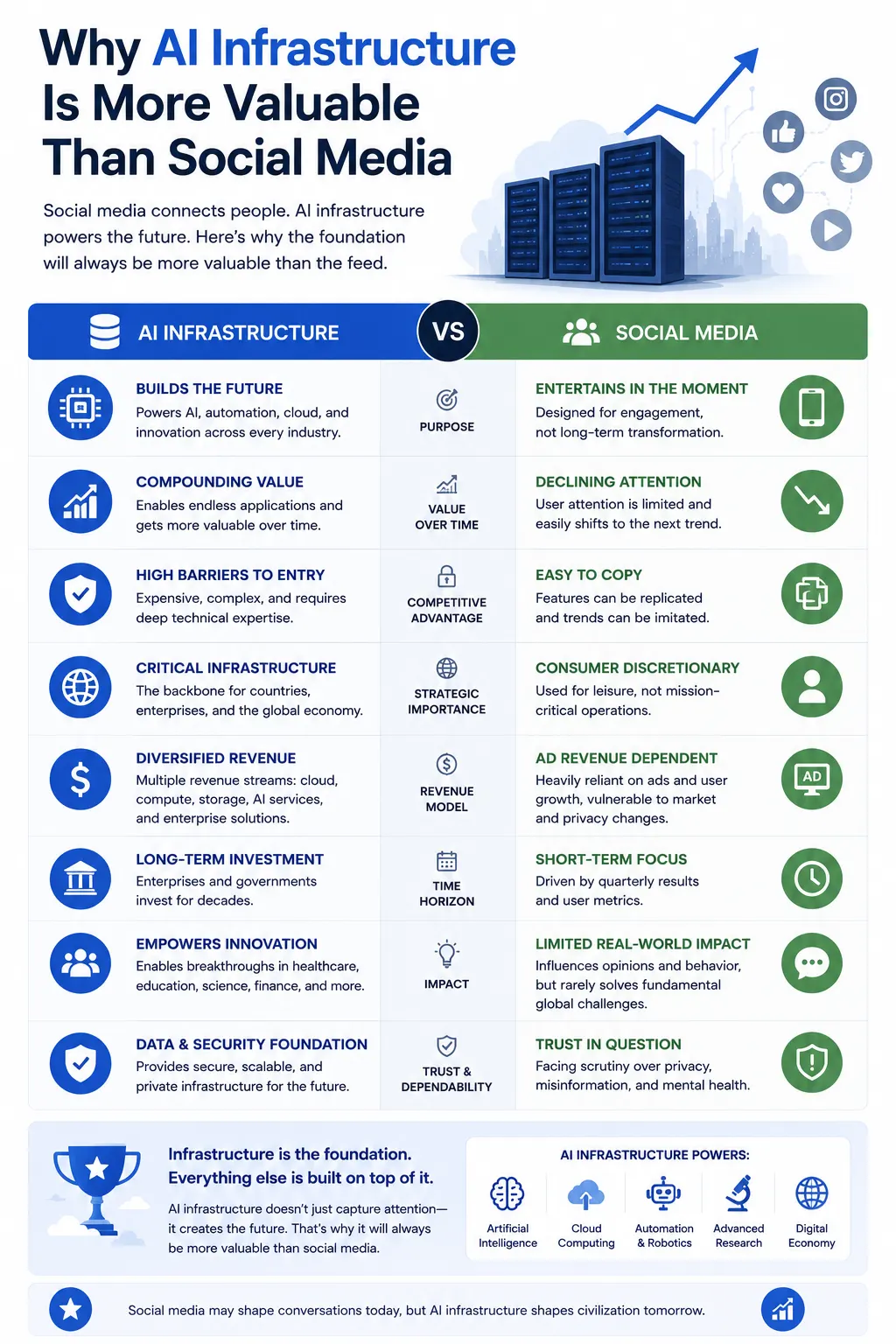
AI infrastructure requires:
- Expensive hardware
- Continuous electricity
- Cooling systems
- High maintenance costs
- Large-scale operational resources
As AI demand grows, controlling energy costs may become one of the biggest competitive advantages in the technology industry.
Challenges Solar-Powered AI Infrastructure Still Faces
Despite growing interest, several challenges remain.
Solar Energy Limitations
Solar power generation depends heavily on weather conditions and daylight availability.
This creates the need for:
- Battery storage systems
- Hybrid energy infrastructure
- Backup power systems
Infrastructure Costs
Building large-scale renewable-powered data centers requires major investment and long-term planning.
Grid Integration Challenges
Powering advanced AI facilities entirely through renewable systems remains technically complex in many regions.
The Future of AI Infrastructure
Industry experts believe future AI infrastructure will increasingly focus on sustainability and energy optimization.
Future trends may include:
- Solar-powered data centers
- AI-optimized cooling systems
- Renewable-powered cloud infrastructure
- Smart energy grids
- Low-power AI chips
- Sustainable computing ecosystems
The future of AI may depend as much on energy innovation as software development itself.
Final Thoughts
Artificial Intelligence is rapidly transforming industries worldwide, but the infrastructure supporting that growth is creating major energy challenges behind the scenes.
Solar-powered data centers are becoming an increasingly important discussion because future AI scalability may depend heavily on sustainable energy systems capable of supporting enormous computational demand.
Technology companies are beginning to realize that the future of AI is not only about smarter software. It is also about building infrastructure that can handle long-term growth without overwhelming energy systems and environmental resources.
The companies and countries solving this balance between AI expansion and sustainable energy may shape the next phase of the global technology industry.
Sources & References
FAQ
Why do AI data centers consume so much energy?
AI data centers require massive computing power, GPU infrastructure, and cooling systems that operate continuously.
Why are companies exploring solar-powered data centers?
Solar energy may help reduce operational costs, improve sustainability, and support future AI infrastructure growth.
What is green AI?
Green AI refers to energy-efficient and environmentally sustainable artificial intelligence infrastructure and computing systems.
Can renewable energy fully power AI infrastructure?
Some companies are exploring renewable-powered systems, but large-scale implementation still faces technical and infrastructure challenges.
What is the future of sustainable AI infrastructure?
Experts expect future AI systems to rely more on renewable energy, efficient hardware, and optimized data center operations.
Discussion & Feedback
Join The Discourse
Comments are reviewed for technical quality.