
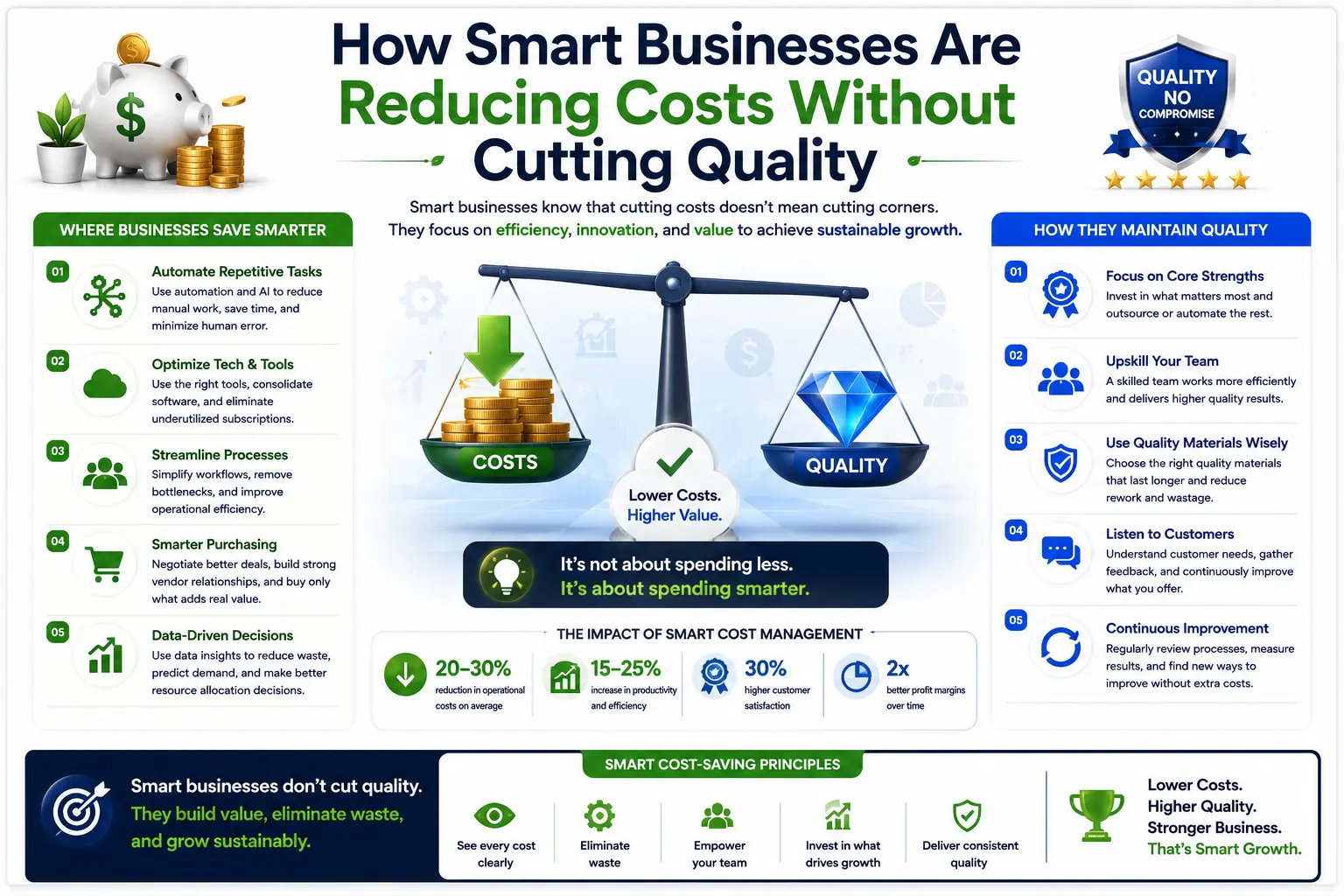
Running a business has become more expensive than ever. Rising operational costs, higher advertising expenses, growing competition, and changing customer expectations are putting pressure on businesses across almost every industry.
At the same time, customers still expect high-quality service, fast support, better experiences, and competitive pricing.
Because of this, businesses are facing an important challenge in 2026 how to reduce expenses without damaging quality or customer trust.
Many companies make the mistake of cutting costs in the wrong areas. They reduce customer support, lower service quality, hire inexperienced teams, or switch to poor-quality systems just to save money quickly. In most cases, those decisions create bigger problems later.
Bureau Verification Tools
How Are Businesses Reducing Costs Without Cutting Quality?
Businesses are reducing costs in 2026 by improving operational efficiency, automating repetitive tasks, optimizing workflows, using smart technology, and focusing on long-term business planning instead of lowering product or service quality.
The businesses growing more successfully today are approaching cost reduction differently. Instead of cutting quality, they are improving efficiency.
That shift in thinking is becoming one of the biggest modern business strategies.
Businesses Are Focusing More on Efficiency Than Cheap Shortcuts
One major trend in 2026 is operational efficiency.
Smart businesses are analyzing how time, money, and resources are being used daily. Instead of blindly reducing expenses, they are identifying where waste actually exists.
Many companies discover they lose money because of:
- Repetitive manual work
- Poor workflow organization
- Slow communication
- Unnecessary software tools
- Weak systems
- Time-consuming operations
- Inefficient marketing spending
Fixing those issues often saves more money than simply reducing budgets aggressively.
Automation Is Helping Businesses Reduce Operational Costs
One of the biggest reasons businesses are adopting automation is efficiency.
AI tools and workflow systems are helping companies reduce repetitive work without affecting service quality.
Customer Support Automation
Businesses are using AI chatbots and automated support systems to handle common customer queries.
This allows human teams to focus on more important customer interactions while reducing support workload.
Workflow Automation
Many companies are automating:
- Appointment scheduling
- Invoice generation
- CRM updates
- Reporting systems
- Email follow-ups
- Task management
This improves productivity while reducing manual errors and operational delays.
Marketing Automation
Digital marketing can become expensive very quickly when managed inefficiently.
Businesses are now using automation for:
- Email campaigns
- Social media scheduling
- Lead nurturing
- Audience targeting
- Advertising optimization
This helps reduce wasted marketing spend while improving results.
Smart Hiring Is Becoming More Important
Another reason businesses overspend is poor hiring strategy.
Earlier, many companies focused mainly on building large teams quickly. In 2026, businesses are becoming more selective about hiring because efficiency matters more than team size.
Smaller Teams With Better Systems
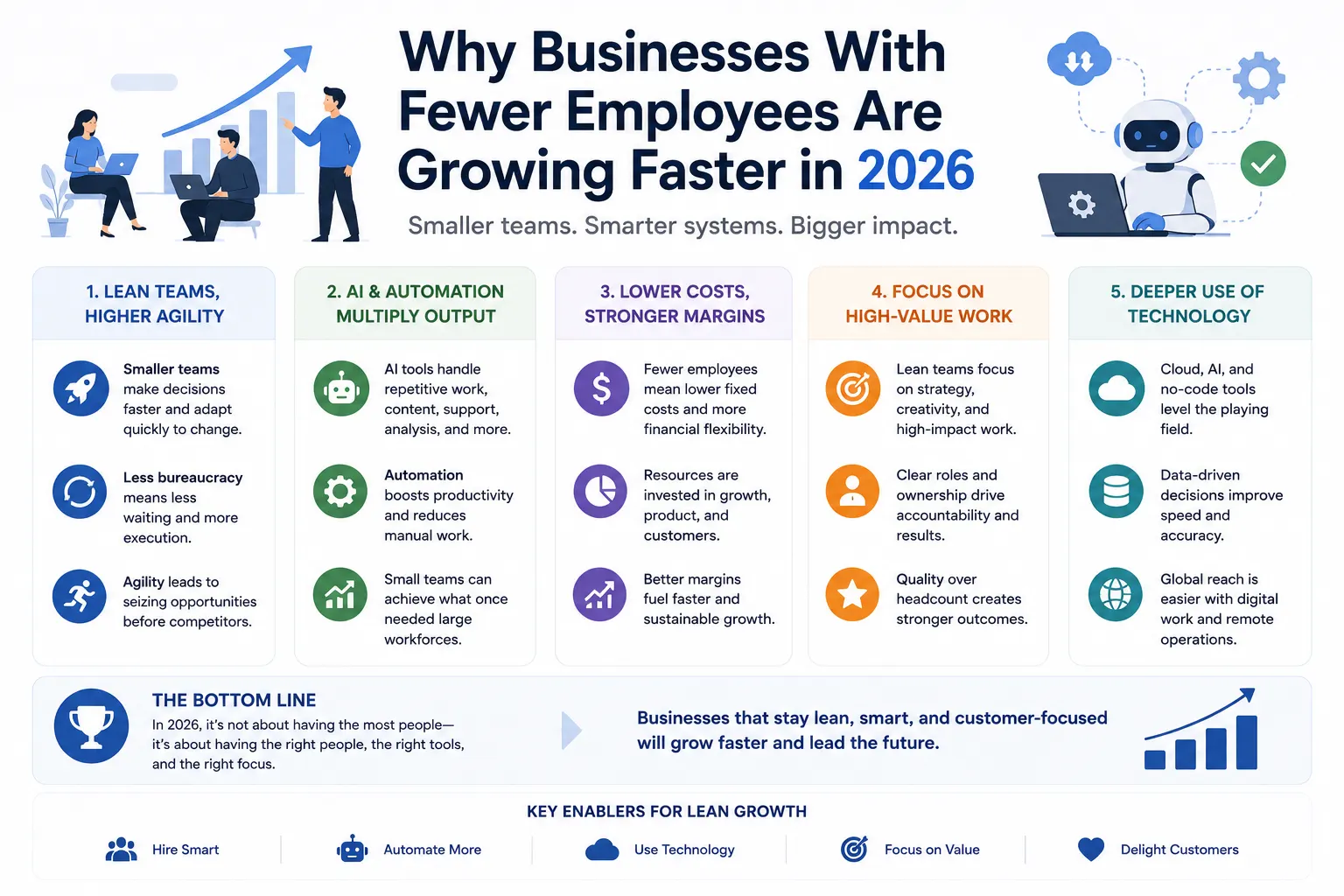
Many successful businesses now operate with leaner teams supported by automation tools and organized workflows.
Instead of hiring multiple people for repetitive tasks, businesses are using technology to improve team productivity.
Skill-Based Hiring
Companies are also focusing more on hiring adaptable employees capable of handling multiple responsibilities efficiently.
This creates more flexible business operations.
Businesses Are Reviewing Software and Tool Expenses
A surprising number of businesses overspend on software subscriptions they barely use.
As businesses grow, they often add multiple tools without reviewing whether those systems actually improve efficiency.
Tool Consolidation Is Growing
Many companies are now reducing expenses by replacing multiple disconnected tools with more integrated platforms.
This improves workflow organization while lowering monthly operational costs.
Remote and Hybrid Work Models Are Reducing Expenses
The shift toward remote and hybrid work continues affecting business strategy in 2026.
Many businesses realized they can reduce operational expenses significantly by using flexible work structures.
Companies are saving money on:
- Office space
- Utilities
- Equipment
- Travel expenses
- Physical infrastructure
At the same time, businesses still need to maintain communication quality and team productivity.
The companies succeeding with remote systems usually invest heavily in organization and workflow management.
Customer Retention Is Becoming More Valuable Than Constant Advertising
One major mistake businesses make is focusing too heavily on acquiring new customers while ignoring existing ones.
Customer acquisition costs are increasing rapidly across digital platforms.
Because of this, businesses are investing more in:
- Customer satisfaction
- Loyalty programs
- Better support
- Long-term relationships
- Retention strategies
Keeping existing customers happy often costs far less than constantly chasing new leads.
Businesses Are Becoming More Careful With Advertising Spend
Digital advertising has become much more competitive and expensive over the last few years.
Businesses are now paying closer attention to marketing efficiency rather than simply increasing budgets.
Data-Driven Marketing Decisions
Companies are using analytics tools to track:
- Conversion rates
- Audience behavior
- Campaign performance
- Customer engagement
- ROI metrics
This helps businesses stop wasting money on ineffective marketing campaigns.
Quality Still Matters More Than Cheap Pricing
One important lesson many businesses are learning is that reducing quality usually damages long-term growth.
Customers may tolerate slightly higher prices if they trust the business and receive good experience consistently.
However, poor quality often leads to:
- Negative reviews
- Customer loss
- Weak retention
- Reputation damage
- Reduced referrals
The businesses growing sustainably are usually protecting quality while improving efficiency behind the scenes.
Adaptability Is Helping Businesses Stay Competitive
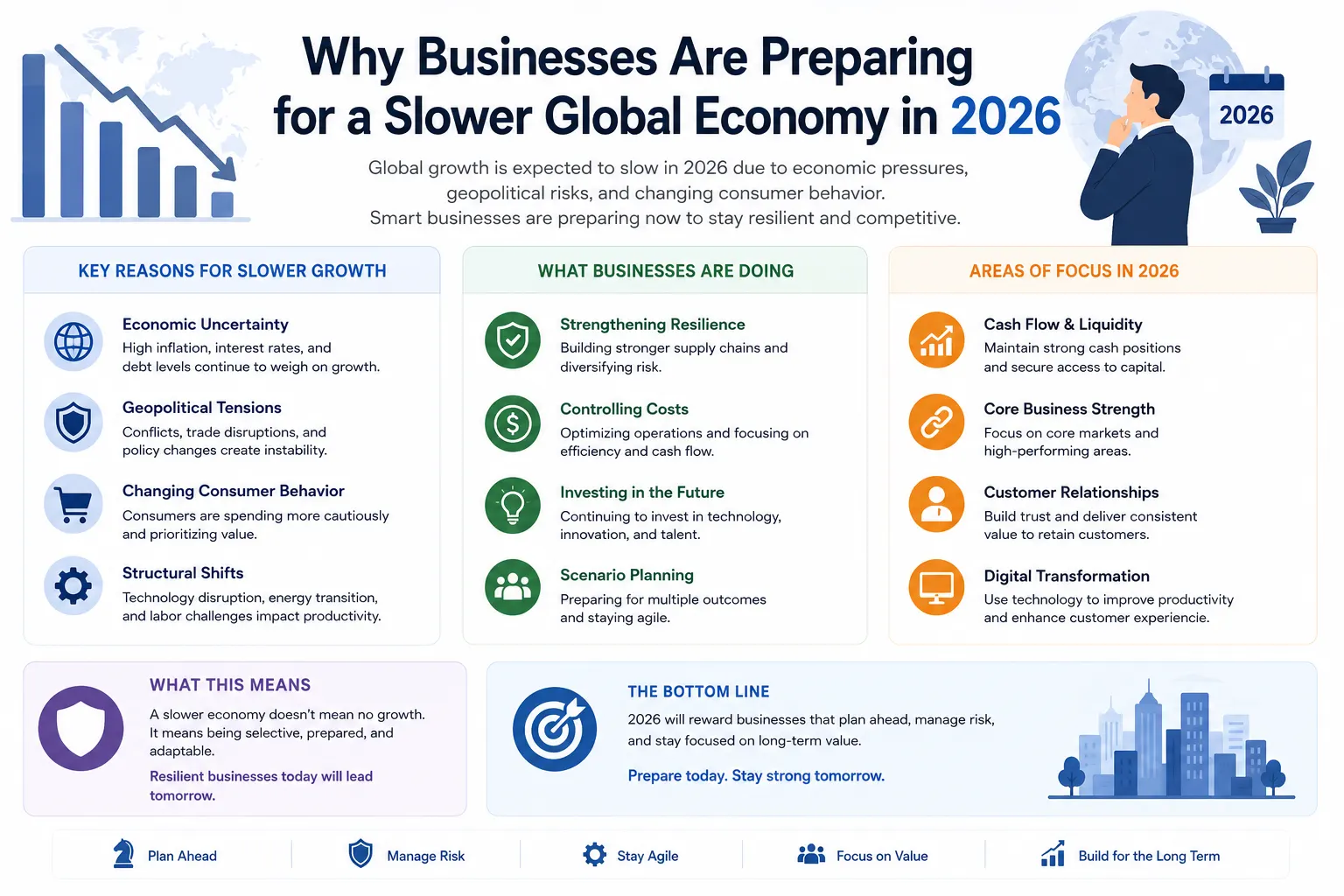
Markets are changing quickly in 2026.
Businesses that review operations regularly and adapt faster are often able to reduce costs more effectively without harming customer experience.
Companies resistant to change usually struggle with outdated systems and inefficient workflows for too long.
The Future of Cost Management in Business
Businesses are increasingly moving toward smarter operational models rather than traditional cost-cutting approaches.
Future-focused companies are investing in:
- AI automation
- Workflow optimization
- Data-driven decision-making
- Lean operations
- Customer retention systems
- Scalable infrastructure
The goal is not simply spending less. It is operating more intelligently.
Final Thoughts
Reducing costs without cutting quality is becoming one of the most important business strategies in 2026.
The companies performing best right now are usually not the businesses making aggressive cuts everywhere. They are the businesses improving efficiency, simplifying operations, using automation carefully, and focusing on long-term sustainability.
Customers still value quality, trust, and strong service experiences. Businesses that protect those areas while improving operational efficiency are building stronger long-term growth compared to companies chasing short-term savings alone.
That balanced approach is becoming a major competitive advantage in modern business.
Discussion & Feedback
Join The Discourse
Comments are reviewed for technical quality.