
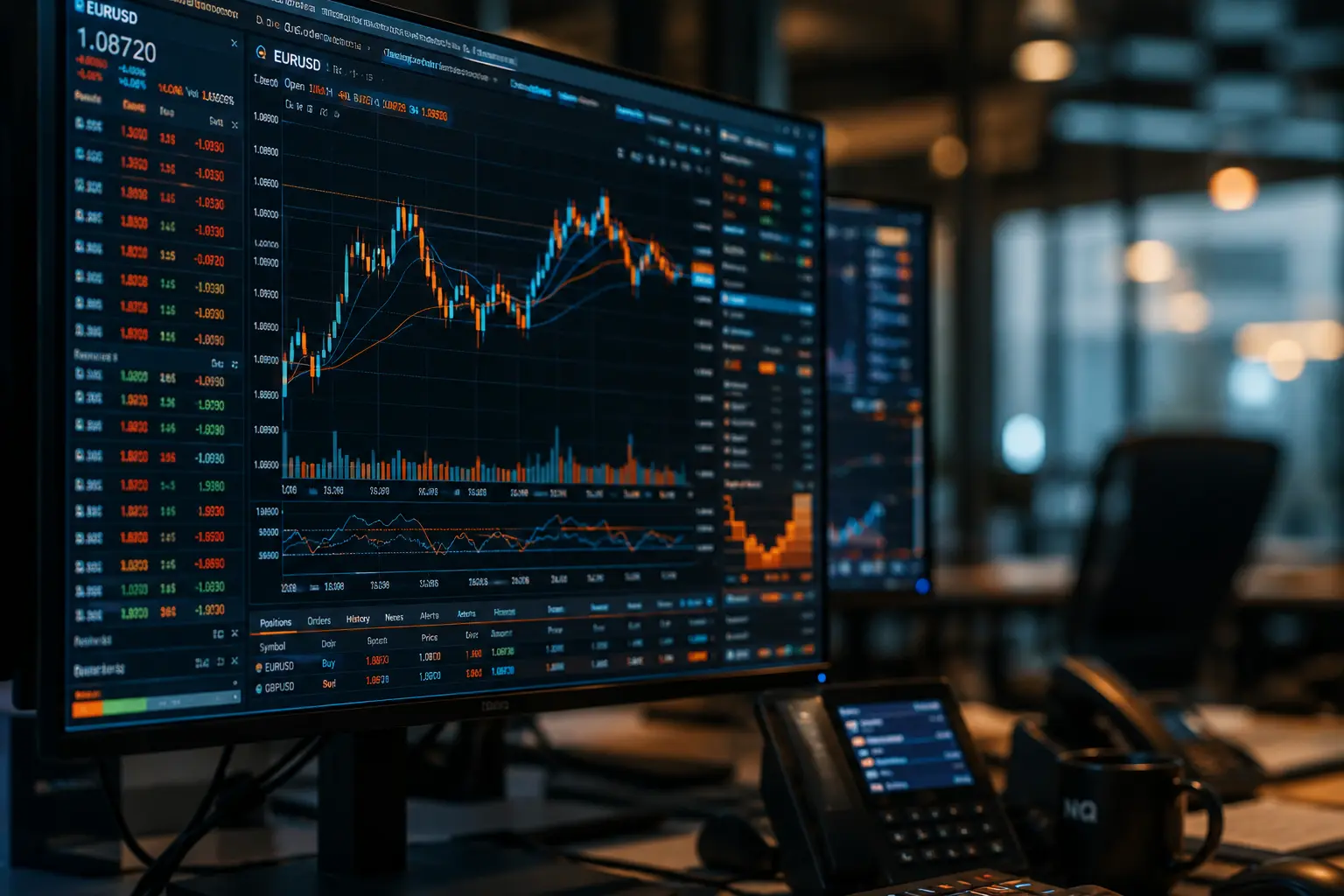
AI-Driven Algorithmic Trading: Optimizing Portfolios with Neural Networks
The global financial landscape has transitioned from human intuition to algorithmic precision. In 2026, the most successful portfolios are no longer managed by manual execution but by sophisticated Neural Networks capable of processing petabytes of market data in milliseconds. AI-driven algorithmic trading has democratized "Quantitative Finance," allowing institutional-level strategies to be deployed at scale.
The Evolution of Market Prediction
Traditional algorithms relied on static "If-This-Then-That" logic. Modern neural networks, however, utilize Deep Learning to identify non-linear patterns in market volatility. By analyzing historical price action alongside real-time sentiment from news cycles and social media, these systems can anticipate liquidity shifts before they manifest in the price.
AI-Driven Algorithmic Trading: Optimizing Portfolios with Neural Networks
Strategic Intelligence The Hidden Cost of AI Nobody Talks About: Water ConsumptionExplore how neural networks and machine learning are revolutionizing algorithmic trading, liquidity management, and institutional portfolio optimization.
Bureau Verification Tools
https://www.factorahub.com/ai-driven-algorithmic-trading-neural-networks/
For developers building these trading interfaces, ensuring a clean user experience is vital. Use our URL Slug Generator and Heading Analyzer to structure your technical documentation and platform content for maximum clarity.
Risk Mitigation and Portfolio Balancing
The primary advantage of AI in trading is not just finding profits, but managing risk. AI models can simulate thousands of market scenarios from flash crashes to sudden regulatory shifts to determine the optimal asset allocation. This "Stress Testing" ensures that a portfolio remains resilient regardless of market conditions.
If you are managing a startup focused on financial tech, calculating your burn rate and path to profitability is essential. Our Break-even Calculator and Startup Cost Calculator are designed to help you map out these critical financial milestones.
Real-Time Execution and Transparency
In the high-speed world of FinTech, execution speed (latency) is everything. AI automates the entry and exit points, reducing "slippage" and ensuring that trades are executed at the best possible price. Furthermore, as global regulations tighten, the "Explainability" of these AI models is becoming a legal requirement.
To maintain transparency with your stakeholders, you must provide clear, professional documentation. Utilize our Invoice Generator for service billing and our Meeting Agenda Generator to keep your technical development teams aligned during weekly sprints.
Frequently Asked Questions (FAQ)
Q1: What is the difference between an EA and an AI Trading Bot?
An Expert Advisor (EA) follows a fixed set of rules. An AI Trading Bot uses machine learning to adapt its strategy as market conditions change, essentially "learning" from its wins and losses.
Q2: How do I calculate the returns of an AI-managed portfolio?
You can use our ROI Calculator to determine the net gain over a specific period. For long-term strategies, our Compound Interest Calculator will show you the potential growth of reinvested profits.
Q3: Is AI trading legal in global markets?
Yes, provided it complies with local financial regulations (such as MiFID II in Europe or SEC guidelines in the US). Always ensure your platform has a valid SSL certificate; you can verify this with our SSL Checker.
Q4: Can I build my own trading bot without deep coding knowledge?
While complex neural networks require Python or C++, many "No-Code" platforms allow you to build basic bots. Before starting, use our SWOT Analysis Generator to evaluate the strengths and weaknesses of your proposed trading strategy.
Discussion & Feedback
Join The Discourse
Comments are reviewed for technical quality.