
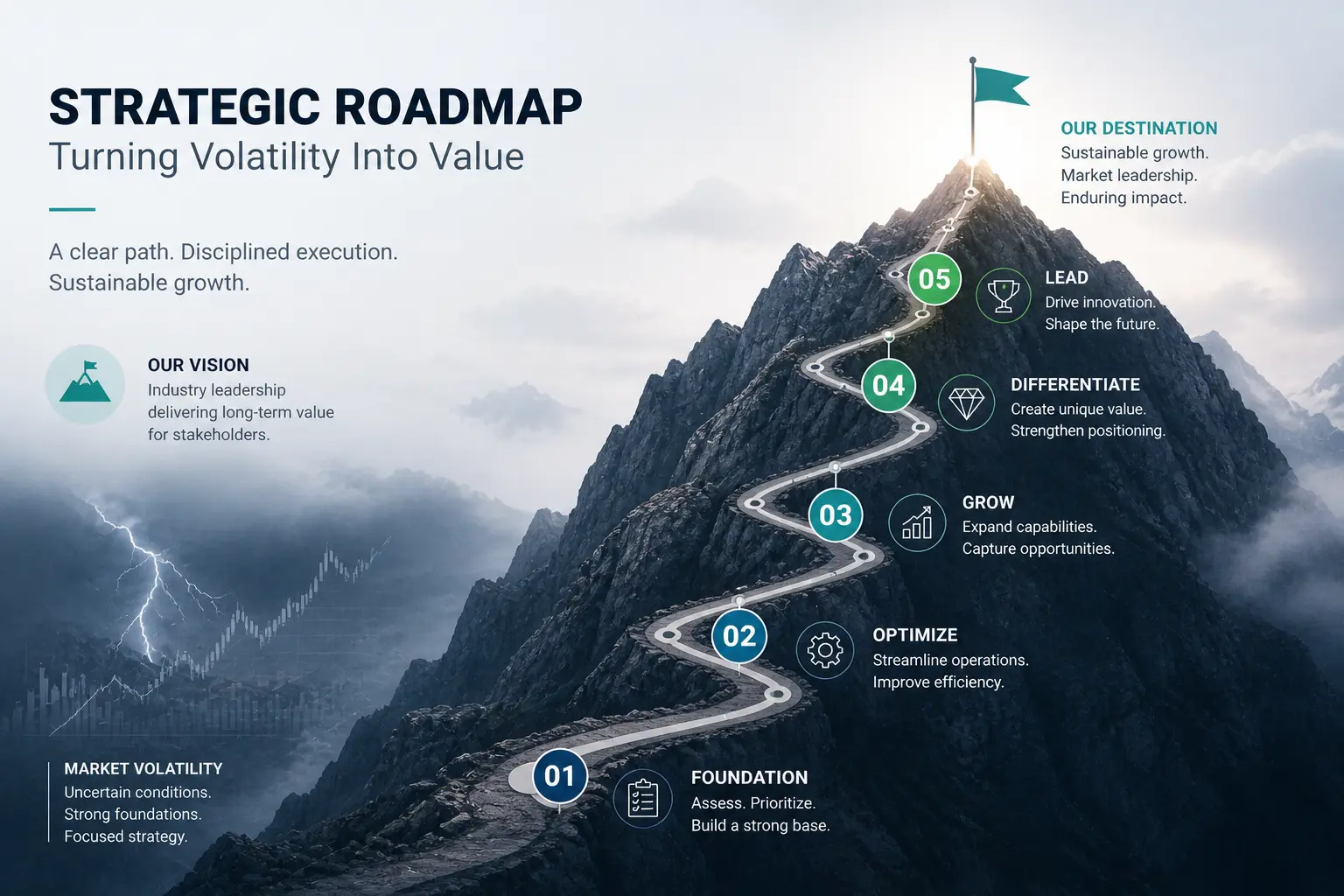
Building Business Resilience: A Strategic Framework for 2026 and Beyond
In today’s fast-paced and volatile market, survival is no longer just about profit margins; it is about how quickly your business can adapt to shifting variables. Resilience has evolved from a buzzword into a vital survival strategy. If your business strategy remains static, you are essentially planning to become obsoleUnderstanding the Economic Shift
The economic landscape in 2026 is defined by rapid technological disruption and unpredictable consumer behavior. To navigate this, leaders must prioritize Financial Clarity. Without a clear view of your numbers, strategic decisions are merely guesses.
Strategic Insight: If you aren't tracking your exact costs and break-even point, you are operating in the dark. Use our Break-even Calculator to gain an immediate understanding of your financial floor.
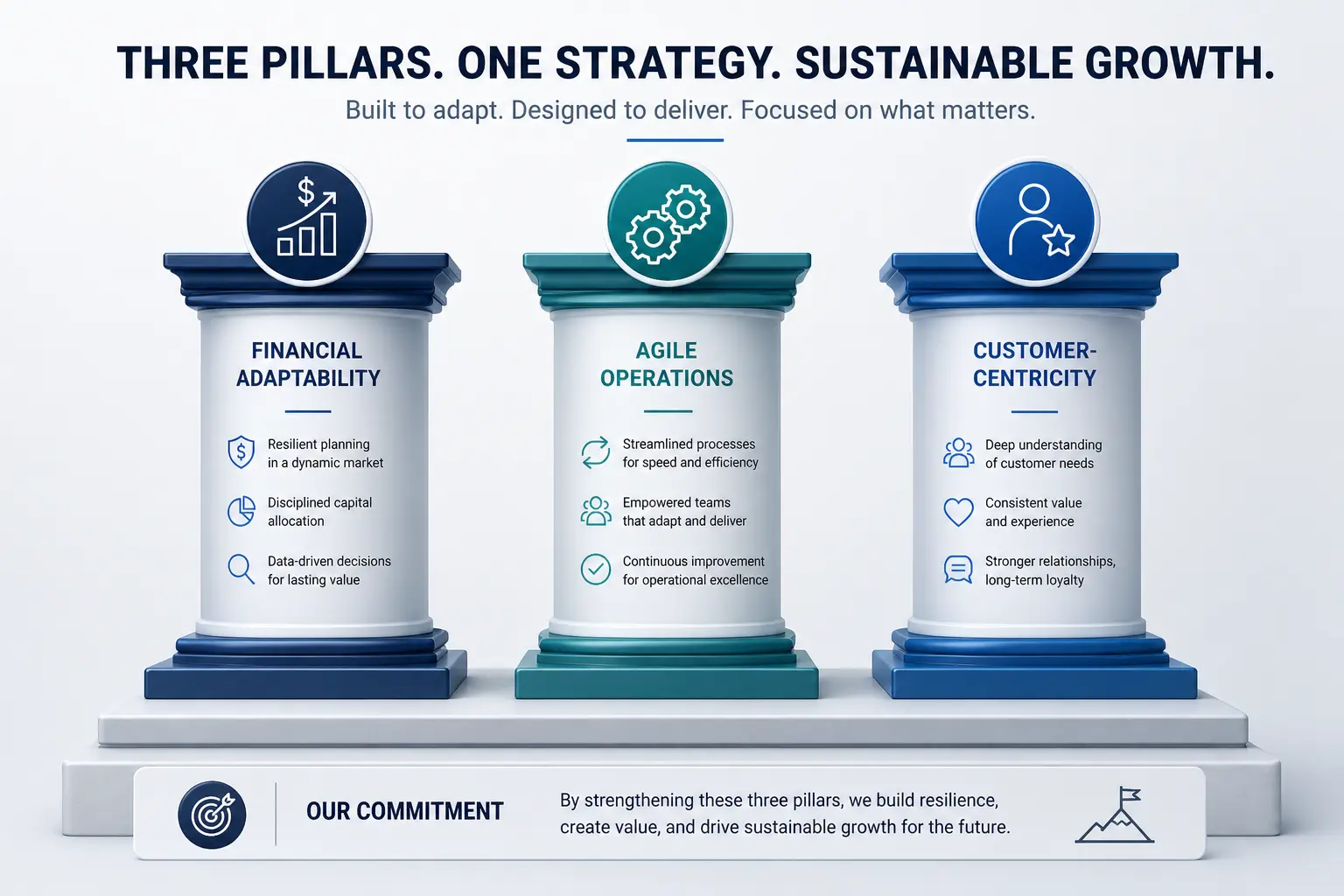
The Three Core Pillars of a Resilient Strategy
Bureau Verification Tools
1. Financial Adaptability
Resilient businesses do not fear cash flow fluctuations; they manage them. You must maintain a healthy balance between long-term capital investments and short-term liquidity.
-
The Action Plan: Conduct a quarterly review of your profit margins. Is your growth trajectory sustainable, or are you scaling too quickly without a safety net?
-
Interactive Tool: Use our Profit Growth Calculator to project your growth and ensure your margins remain healthy over the next two years.
2. Agile Operational Workflow
Efficiency is the engine of resilience. If your internal operations are cluttered with manual tasks, your strategy will suffer from execution lag. Automation is no longer a luxury it is a requirement for staying competitive.
-
The Action Plan: Audit your recurring tasks. If a process takes more than 15 minutes and requires zero creative input, automate it.
-
Interactive Tool: Start mapping your path to efficiency using our Project Timeline Generator.
3. Customer-Centricity
Markets change, but the need for value remains constant. A resilient business pivots its product offerings based on real-time customer feedback rather than intuition. Move from a transaction-based model to a solution-based partnership.
Bridging the Gap: From Strategy to Execution
A brilliant strategy fails if it isn't executable. Many startups falter because they lack the structure to turn high-level goals into daily tasks.
-
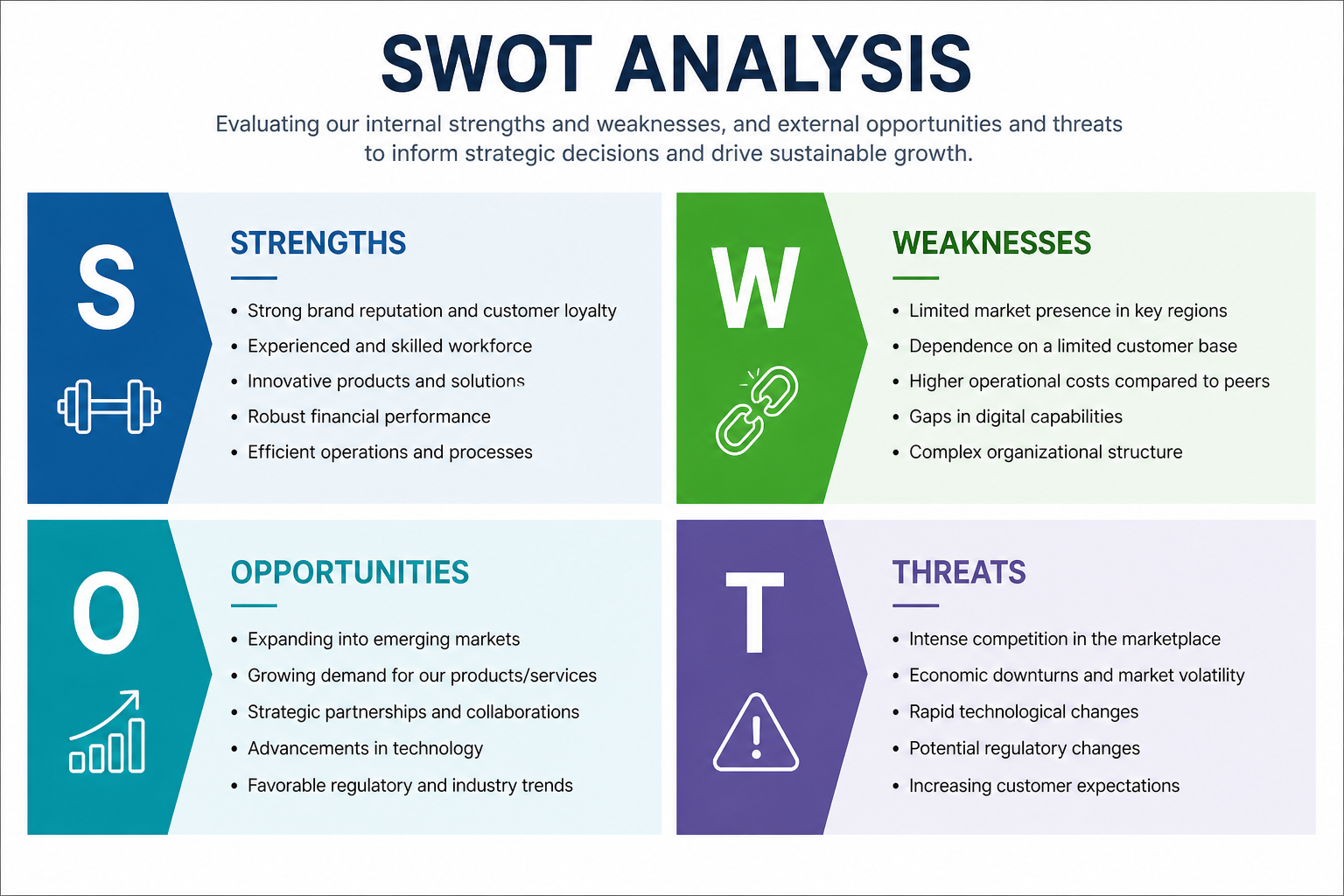
The SWOT Analysis: Regularly mapping your Strengths, Weaknesses, Opportunities, and Threats is the most effective way to stay ahead of competitors.
UP NEXT FOR YOU Editorial Security 2027: Hype or Real Progress?-
Pro Tip: Get an instant, objective perspective on your business status by using our SWOT Analysis Generator.
-
Frequently Asked Questions (FAQ)
Q1: How do I measure my business resilience?
A: Resilience is best measured by your "Burn Rate" versus your "Customer Acquisition Cost (CAC)." Tracking these metrics keeps you from overextending your resources. You can refine your pricing models using our Pricing Calculator.
Q2: Is business strategy different for service-based vs. product-based companies?
A: While the execution differs, the core principles of operational efficiency and value delivery remain identical. Both require robust financial planning.
Q3: How often should I revisit my business plan?
A: In the current economic climate, a business plan should be a "living document." Review it every 6 months to ensure your goals align with market reality. You can create a fresh roadmap using our Business Plan Generator.

Bureau Discourse
Participate in the Analysis
Your contribution is subject to editorial moderation.