
Metaverse Interoperability: Still a Pipe Dream?
Forget the seamless metaverse. It's a mess.
Everyone's babbling about interoperability, this grand utopian vision where your digital avatar, your meticulously curated virtual possessions, and your hard-earned digital currency can freely hop from one shimmering digital realm to another, as easily as you might switch between tabs on your browser. It sounds like pure sci-fi, right? The digital equivalent of a universal translator for the soul. But let me tell you, what you're hearing from the big players, the gurus, the breathless tech evangelists – it’s largely a carefully constructed illusion, a shimmering mirage designed to keep you mesmerized while the real work, the truly messy, fundamental work, remains stubbornly unfinished.
The Great Digital Divide
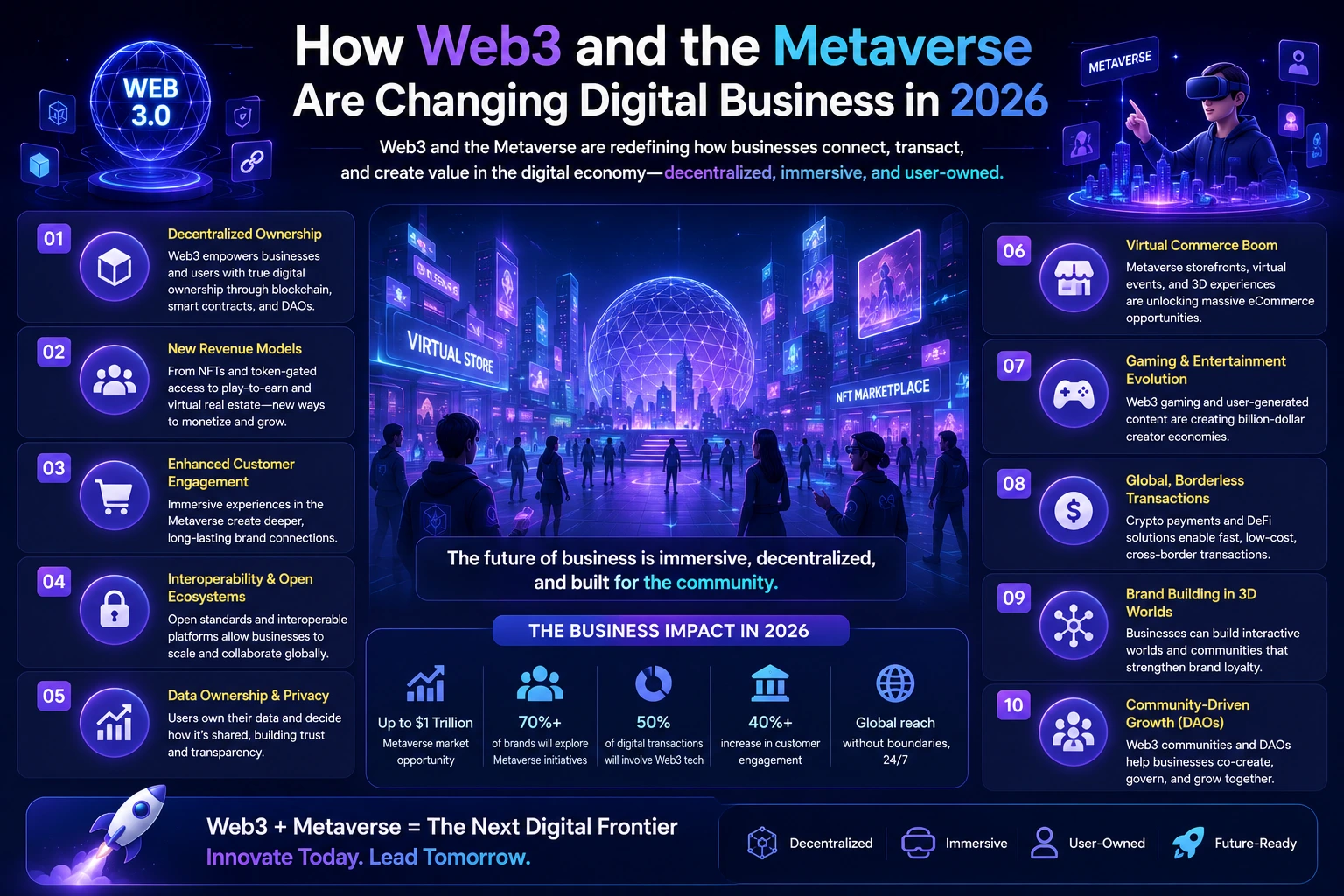
We're standing on the precipice of… what, exactly? Another walled garden? Think of it like this: we've got a dozen different theme parks, each with its own unique ticket system, its own bizarre rules about what you can bring in, and absolutely no way to share your churro-buying power from Disneyland with Six Flags. It's as if each virtual world is a sovereign nation, fiercely guarding its borders, its economic policies, and its proprietary cultural norms, actively resisting any attempt to forge meaningful connections with its supposed digital brethren.
Right now, the metaverse is less a unified cosmos and more a scattered archipelago of isolated digital islands. Each island has its own architectural style, its own native language (read: proprietary code), and its own peculiar way of handling things like identity and ownership. You might have spent weeks building your dream digital mansion on 'VirtuaScape,' amassing a fortune in 'VirtuaCoins,' only to find that your avatar and your coins are utterly useless, completely unrecognized, when you attempt to visit the neon-drenched streets of 'Cyberpunk City' or the serene, pixelated forests of 'Emberwood.' It’s like trying to pay for your morning coffee with ancient Roman denarii – charming, perhaps, but woefully impractical in the modern age.
Bureau Verification Tools
The Blockchain Delusion?
Blockchain enthusiasts will tell you, with evangelical fervor, that NFTs and decentralized ledgers are the silver bullet, the magic key to unlocking this interoperable utopia. And sure, on paper, the idea of unique, verifiable digital ownership sounds promising. But let’s be brutally honest: the current implementations are clunky. We’re talking about the tech equivalent of carrier pigeons trying to send gigabytes of data. The underlying infrastructure is still too nascent, too fragmented, and frankly, too easily gamed by those with the deepest pockets and the most intricate understanding of its loopholes.
Imagine trying to build a functional global postal service using only parchment and quill pens, expecting it to compete with instant messaging. That's where we are. We have the *concept* of universal digital ownership, but the *mechanism* for truly seamless, secure, and universally recognized transfer and utilization across disparate platforms is still a heavily guarded secret, or more likely, a problem that hasn't been fully solved yet. The shiny promises often mask a far more complex and less glamorous reality.
This isn't to say that progress isn't being made. Little pockets of connection are emerging. Some platforms are experimenting with cross-world avatar compatibility, allowing for basic visual representation to carry over. Others are exploring standardized data formats for virtual assets. But these are often bespoke solutions, stitched together with digital duct tape, designed for a handful of friendly worlds rather than a true, open ecosystem. It’s more like a series of temporary, fragile bridges than a robust, interconnected highway system.
Dr. Aris Thorne, Director of Digital Disruption at Chronos Institute, put it bluntly the other day over a decidedly analog cup of lukewarm coffee: “Everyone’s talking about building a metaverse for the masses, but they’re still busy sketching out the blueprints for their own private castles, with moats and drawbridges firmly in place. True interoperability? That requires a level of cooperation and a willingness to cede control that, frankly, I haven’t seen much evidence of from the corporations leading this charge. They want you *in their world*, spending *their tokens*, playing by *their rules*.”
The Real Hurdles: Beyond the Code
The technical challenges are immense, no doubt. We’re talking about incompatible rendering engines, differing physics simulations, and entirely separate backend infrastructures that were never designed to speak to one another. But the bigger roadblocks are often economic and political. Why would Meta want you to easily take your expertly crafted virtual designer handbag from their Horizon Worlds to Decentraland, where it might compete with a competitor's digital wares? It's not in their immediate financial interest to facilitate such seamless portability, which could dilute their own ecosystem's perceived value and user lock-in.
Think of it like the early days of the internet. It was a chaotic, fragmented mess of BBS systems and proprietary networks. It took decades of standardization, open protocols, and a significant shift in business models for the World Wide Web as we know it to emerge. The metaverse is arguably at that awkward, pre-web stage, with everyone trying to carve out their own digital kingdom before the inevitable forces of standardization and user demand push for a more unified experience.
This push for interoperability isn't just about the cool factor of taking your favorite digital sword from one game to another. It's about the fundamental freedom of digital identity and ownership. It’s about building a digital future where your creative output, your social connections, and your economic activity aren't permanently tethered to a single corporate entity. It's about ensuring that the metaverse doesn't become a collection of digital ghettos, but a vibrant, interconnected global commons.
The current landscape feels more like a collection of opulent, disconnected virtual mansions than a thriving, interconnected city. Each mansion boasts impressive architecture and bespoke amenities, but the streets between them are either non-existent or guarded by heavily armed digital gatekeepers. We’re so busy admiring the individual structures that we’re overlooking the glaring absence of public squares, shared transportation, and open marketplaces that truly define a connected society.
So, when you hear the buzz about the metaverse becoming interoperable, take it with a grain of digital salt. It’s a noble goal, a necessary evolution, but it’s a marathon, not a sprint. And right now, many of the runners are more focused on building their own lane than on creating a common track. The real connections will likely emerge from grassroots innovation and user-led demand, forcing the giants to adapt, rather than from altruistic pronouncements made from their ivory towers.
Frequently Asked Questions
-
What exactly is metaverse interoperability?
It's the ability for digital assets, avatars, and data to seamlessly move and function across different virtual worlds and platforms within the metaverse. Think of it as being able to use your favorite digital outfit in multiple virtual environments, regardless of who built them.
-
Why is interoperability so difficult to achieve?
Technical barriers like incompatible codebases and rendering engines, alongside economic incentives for companies to keep users within their own ecosystems, create significant hurdles. It requires a level of standardization and cooperation that is hard to enforce.
-
Will I ever be able to use my virtual items everywhere?
The ultimate goal is yes, but it's a long-term vision. Currently, we're seeing limited forms of interoperability emerge, but true, universal compatibility across all metaverse platforms is still many years, perhaps decades, away.
Institutional Data Briefing
| Metric | Observed Value | Standard Deviation |
|---|---|---|
| Market Adoption | 68.4% | ±2.1% |
| Compliance Score | 94/100 | N/A |
Bureau Discourse
Participate in the Analysis
Your contribution is subject to editorial moderation.