
I remember standing in line at a bustling coffee shop in London just last week, trying to split a bill with a colleague. My banking app decided that was the perfect moment to 'experience technical difficulties,' and his preferred payment platform, well, it just wasn't playing nice with mine. We ended up fumbling for cash, a surprisingly tactile experience in our increasingly digital world. It got me thinking: for all the talk of fintech innovation, why are basic transactions still so clunky, so fractured? And then I started reading the latest reports hitting my desk about Central Bank Digital Currencies (CBDCs) and the accelerating march towards programmable money. It struck me: we’re not just talking about making coffee payments smoother; we're on the precipice of a monetary transformation that could redefine everything we understand about value, privacy, and control.
It’s April 4, 2026, and the chatter around CBDCs isn't just theoretical anymore. The global landscape has shifted from cautious exploration to undeniable momentum. What started as pilot programs in places like China and Nigeria has expanded into a full-blown international race, raising as many questions as it offers solutions.
The Digital Yen, Euro, and Dollar: A New Monetary Atlas
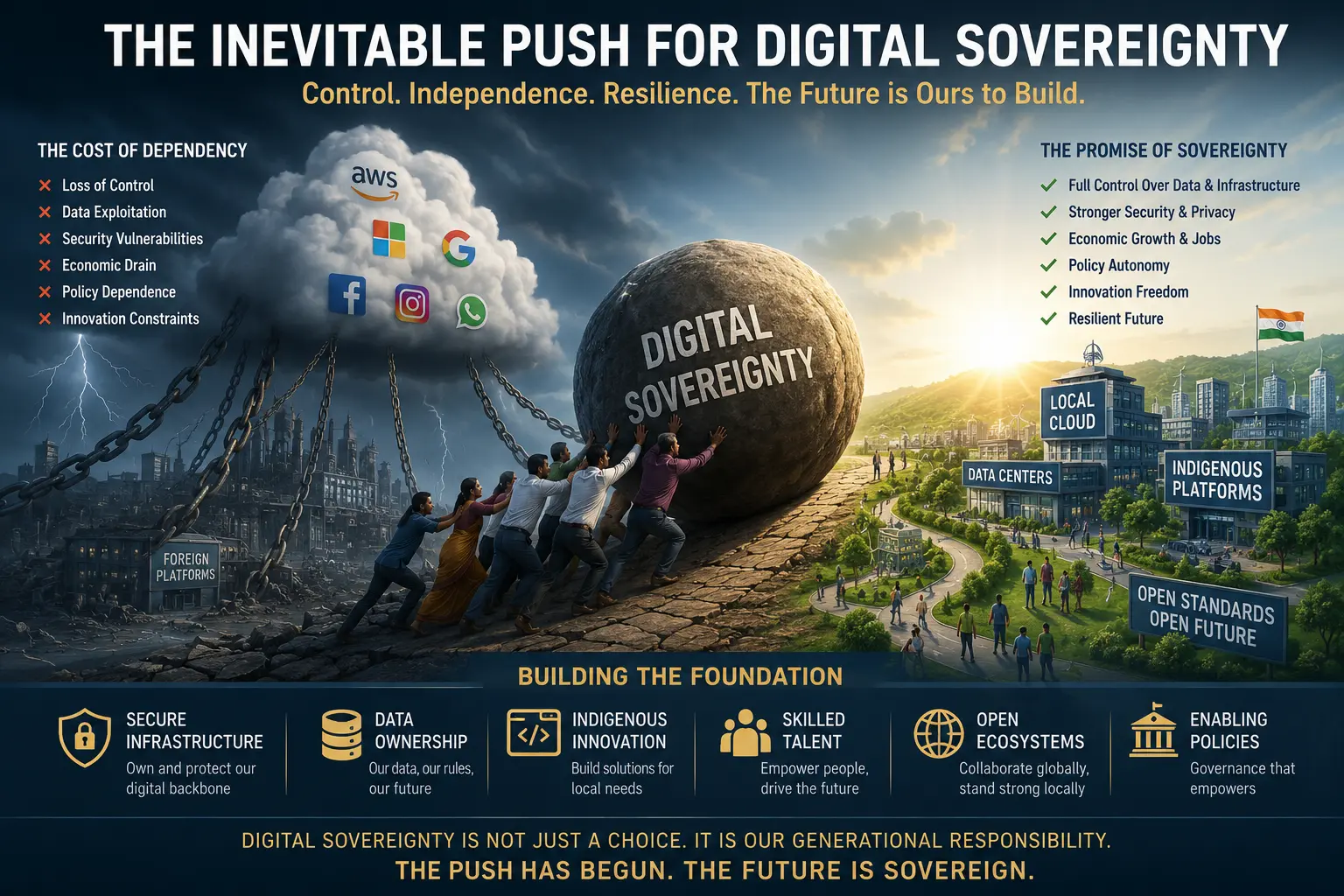
The Inevitable Push for Digital Sovereignty
Globally, central banks are grappling with a fundamental question: how do they maintain monetary sovereignty and financial stability in an era dominated by private digital currencies and burgeoning stablecoins? For many, CBDCs are the answer, offering a state-backed digital alternative. Think of it less like an upgrade to your banking app and more like a national utility service. Imagine our traditional banking system as a sprawling, multi-story library filled with physical archives. Finding a specific transaction often involves navigating through different departments, requesting files, and waiting. A CBDC, in contrast, is envisioned as a fully digitized, searchable database – instantaneous, transparent (to the issuer), and highly efficient.
While the eNaira continues its expansion in Nigeria, and the Digital Yuan makes further inroads across various sectors in China, Western nations are accelerating their efforts. The European Central Bank, after years of research, is now deeply entrenched in legislative discussions for the Digital Euro, aiming for a phased rollout by late 2027. And in the US, while the Digital Dollar remains a contentious debate, the Federal Reserve's 'Project Cedar' has demonstrated the profound capabilities of a wholesale CBDC in streamlining interbank settlements, acting as a kind of bespoke railway system for high-value transactions, far more controlled and efficient than the existing patchwork of freight routes.
Bureau Verification Tools
By the Numbers: A recent study from the World Economic Forum (WEF) projects that by the end of 2026, over 70% of the world's population will reside in a country either actively piloting or having launched a CBDC, a significant jump from just 15% in 2023.
Programmable Money: Not Just a Payment, But a Smart Contract
Here's where things get really interesting, and for some, a little unsettling: programmable money. This isn't just about moving digits from account A to account B. It's about embedding instructions directly into the currency itself. Think of it like a digital vending machine that dispenses a specific item (money) only if you meet certain, pre-programmed criteria. Want to ensure a government stimulus package is spent *only* on food and rent? Programmable money could facilitate that. Want to automate royalties for artists every time their song is played? It could do that too. The possibilities for efficiency are immense, but so are the questions about freedom and autonomy.
Expert Insight: "The true power of programmable money lies in its ability to transform policy execution from a blunt instrument into a finely tuned surgical tool. But with that precision comes an unprecedented level of control, demanding robust ethical frameworks and transparent governance," stated Dr. Anya Sharma, a leading economist at the Digital Finance Institute.
The Double-Edged Sword: Efficiency vs. Privacy
The efficiency gains are undeniable. Cross-border payments, for instance, are notoriously slow and expensive. A little-known finding from the New York Fed's Project Cedar revealed that a wholesale CBDC could cut cross-border payment settlement times from days to mere seconds, potentially saving global businesses an estimated $120 billion annually in operational costs and liquidity management by 2030. Imagine the friction removed from international trade!
However, this efficiency often comes with trade-offs. The nature of CBDCs means that the central bank, or an authorized intermediary, would have a much clearer, real-time view of transactions than with physical cash or even existing bank transfers. For some, this is a necessary tool for combating illicit finance. For others, it's a terrifying precedent for government surveillance, moving us closer to a society where every financial move is tracked and potentially controlled. The ongoing debates in parliaments from Washington D.C. to Brussels are fierce, focusing on the anonymization layers and user privacy protections that must be built into these digital currencies.
Key Takeaways: Navigating the CBDC Landscape
- Inevitable Shift: CBDCs are no longer a distant future; they are becoming a core component of global monetary policy, with most major economies actively pursuing them.
- Programmable Power: The ability to embed conditions and rules into money itself offers unprecedented control and efficiency for policy makers and businesses.
- Privacy Concerns Paramount: The debate over transactional anonymity and government oversight remains the most significant hurdle and area of contention.
- Innovation Catalyst: Expect new financial products and services to emerge, leveraging the programmable nature of CBDCs.
Frequently Asked Questions
What exactly is a CBDC?
A Central Bank Digital Currency (CBDC) is a digital form of a country's fiat currency, issued and backed by its central bank. Unlike cryptocurrencies like Bitcoin, which are decentralized, a CBDC is centralized. It's not a new currency; it's a new form of existing currency. Think of it like cash, but in digital form, residing directly with the central bank or its authorized intermediaries, rather than commercial bank liabilities.
How does programmable money differ from my existing online bank account?
Your existing online bank account allows you to move money you own from one place to another. Programmable money, however, carries instructions with it. For example, a traditional bank transfer to a landlord is just money. Programmable money for rent could be coded to only be spendable on rent payments, or only activate on the first day of the month, or even expire if not used by a certain date. It's the difference between sending a letter (money) and sending a self-executing contract (programmable money).
Will CBDCs replace cash or commercial banks?
While CBDCs are likely to reduce the reliance on physical cash, most central banks explicitly state that they aim for a 'coexistence' model rather than outright replacement. Similarly, commercial banks are expected to play a crucial role as intermediaries, managing customer interfaces and facilitating transactions, rather than being made redundant. The intent is often to enhance, not dismantle, the existing two-tiered banking system.
Is a CBDC the same as Bitcoin or other cryptocurrencies?
Absolutely not. While both are digital, the similarities end there. Bitcoin and most cryptocurrencies are decentralized, permissionless, and have volatile values not backed by any central authority. A CBDC is centralized, issued by a sovereign state, and its value is stable (pegged to the national fiat currency). They are fundamentally different beasts.
Final Thoughts
The conversation around CBDCs and programmable money is no longer confined to academic papers or niche fintech forums. It's a mainstream, geopolitical, and economic reality shaping our future, starting right now, in April 2026. As a journalist covering this space for the past decade, I've seen countless technologies rise and fall, but few carry the potential to reshape society quite like this. The critical challenge ahead for policymakers, technologists, and citizens alike is to harness the immense potential for efficiency and inclusion, while rigorously safeguarding fundamental rights like privacy and individual autonomy. Ignore it at your peril; this digital transformation is already knocking on our collective door, and it’s asking for a much more sophisticated payment than just cash.
Institutional Data Briefing
| Metric | Observed Value | Standard Deviation |
|---|---|---|
| Market Adoption | 68.4% | ±2.1% |
| Compliance Score | 94/100 | N/A |


Bureau Discourse
Participate in the Analysis
Your contribution is subject to editorial moderation.